Last updated November 21, 2026
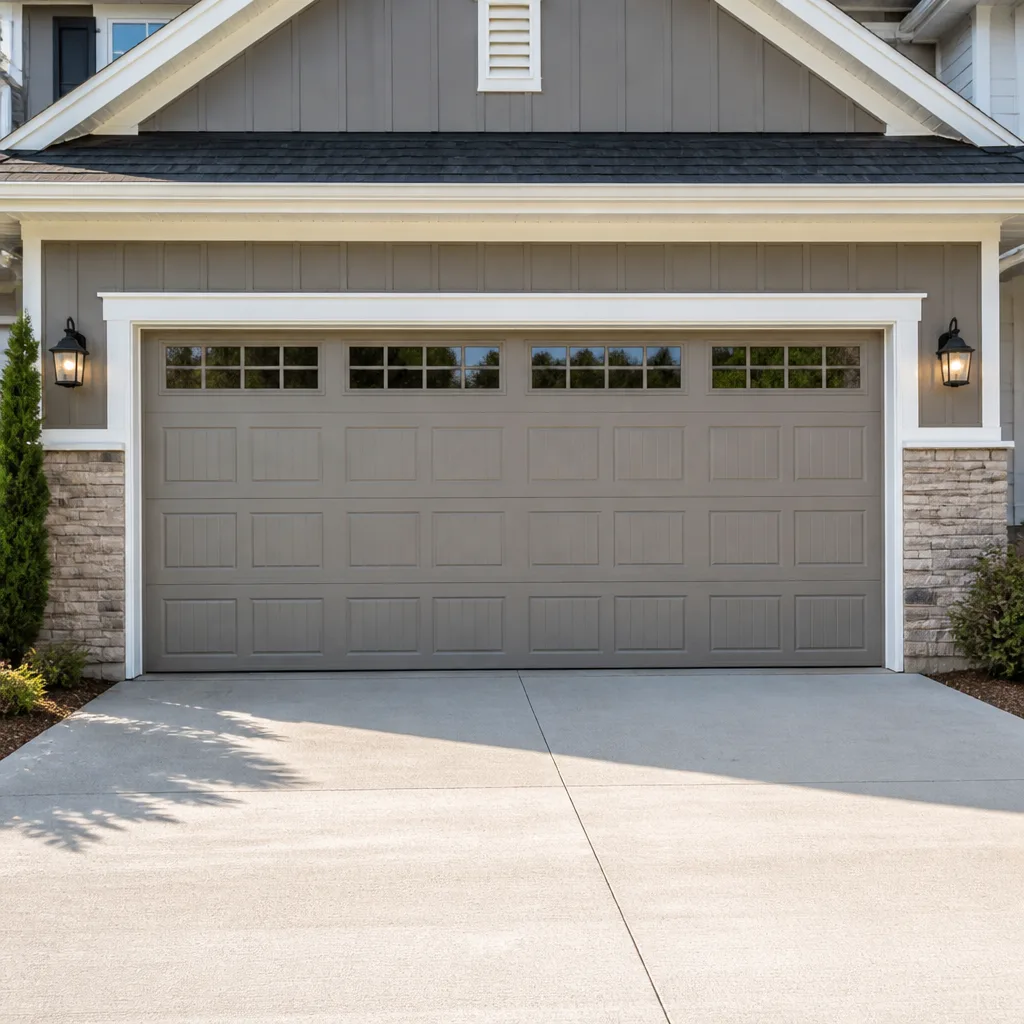 Raised-panel steel
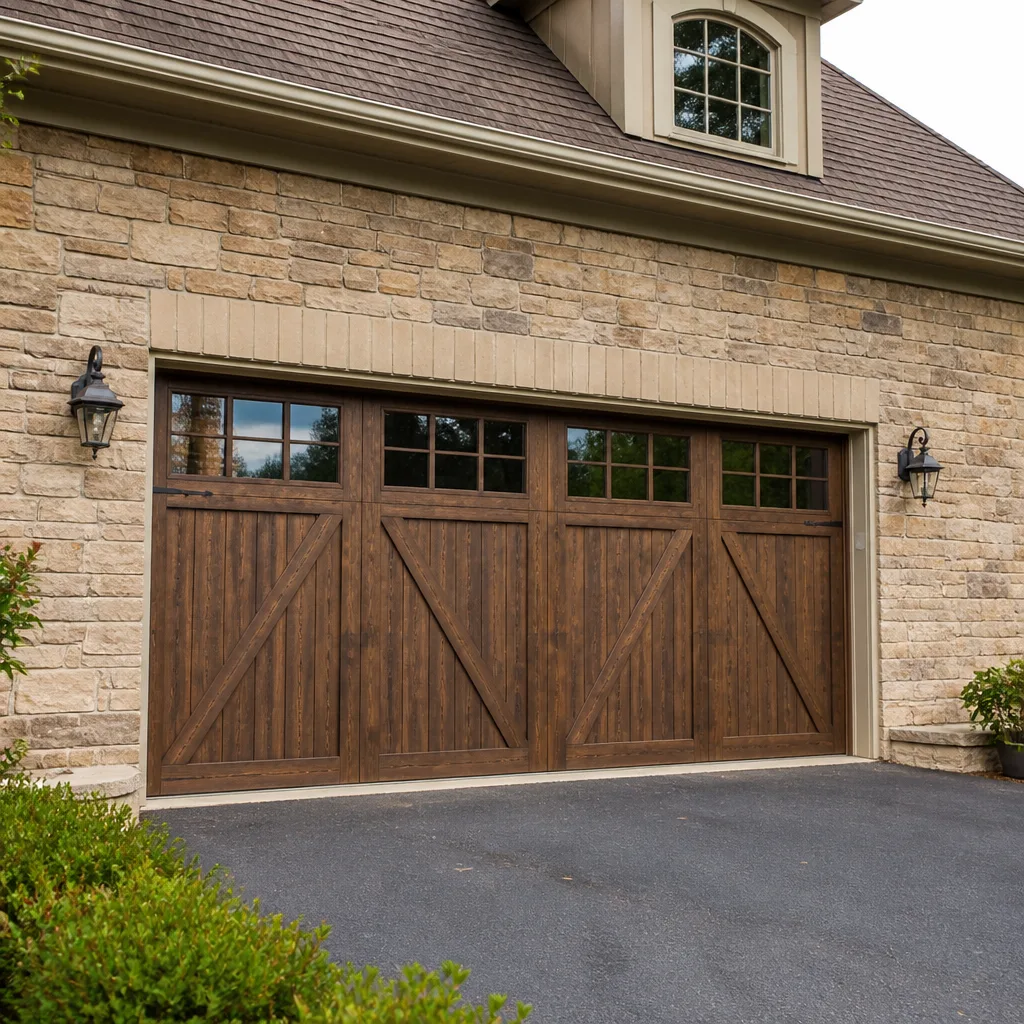 Carriage house
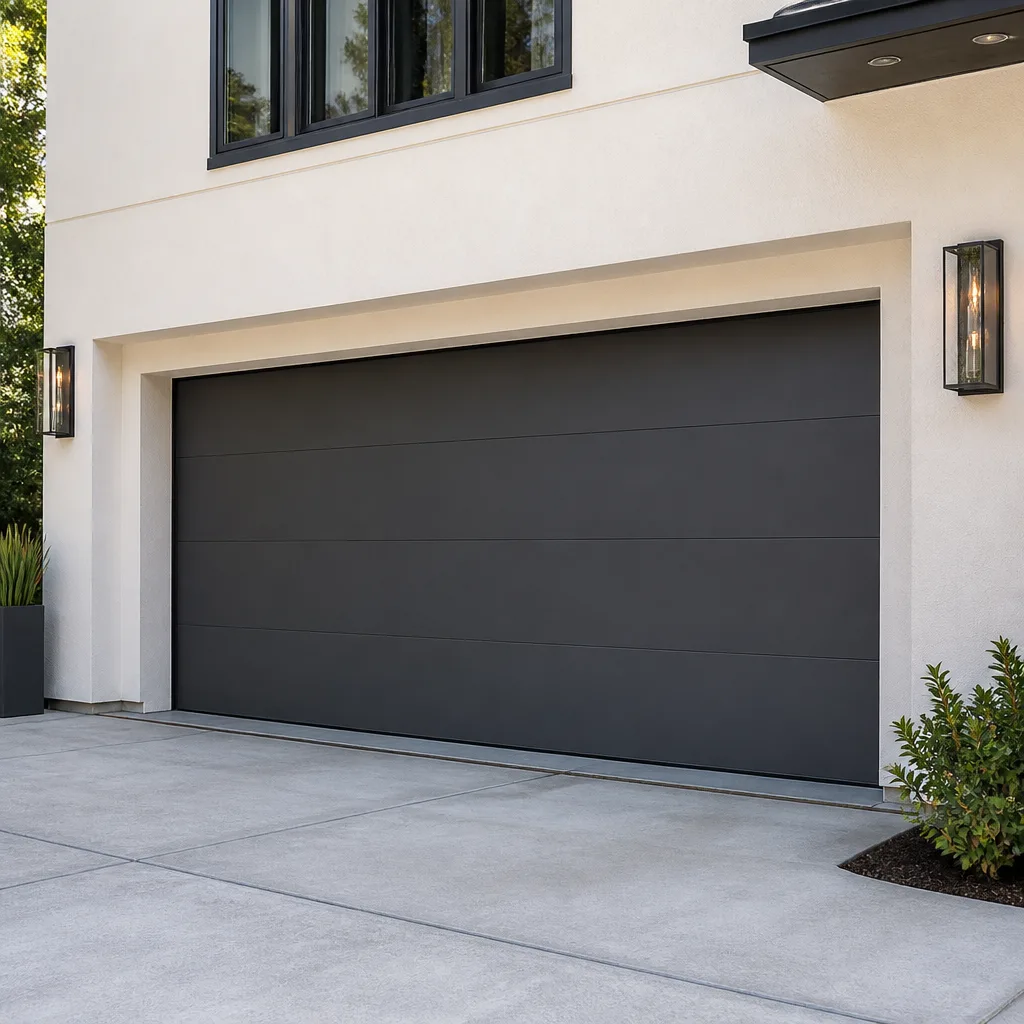 Modern flush
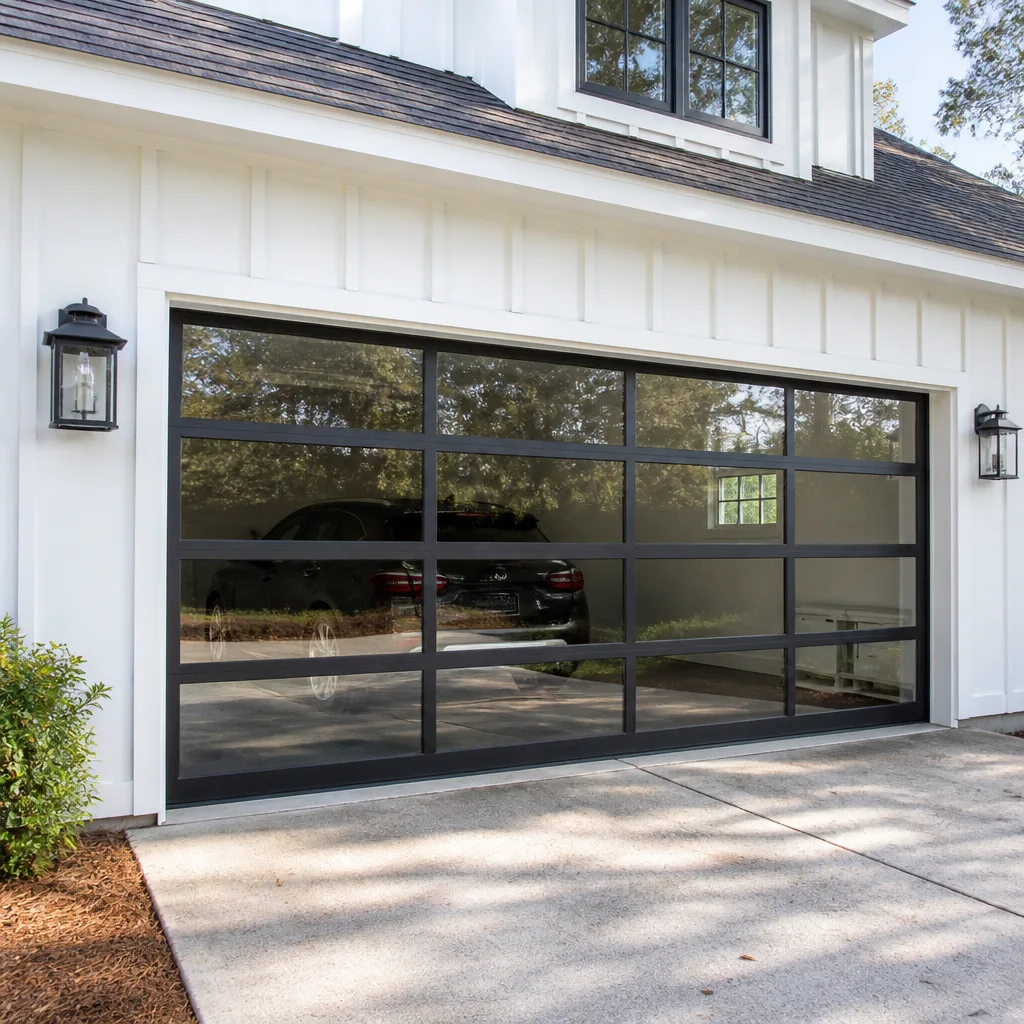 Full-view glass
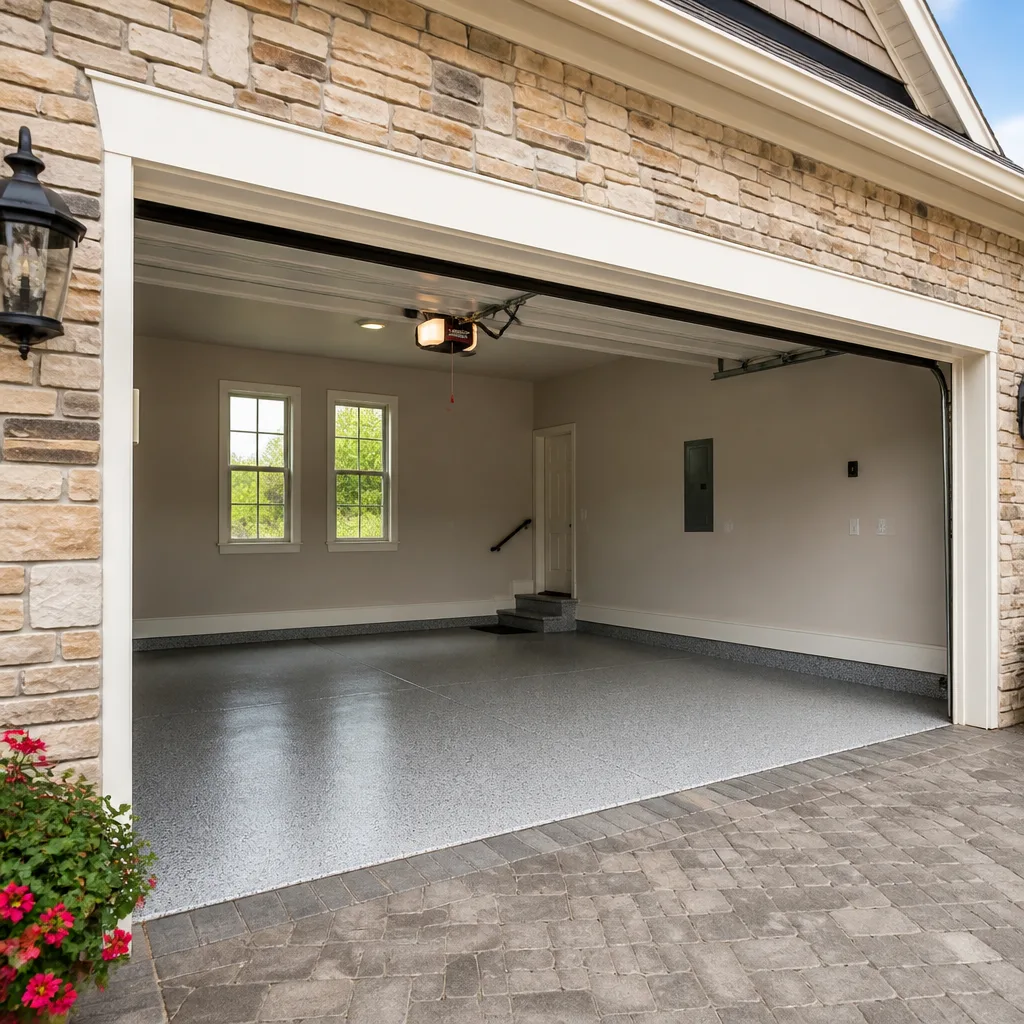 LiftMaster openers
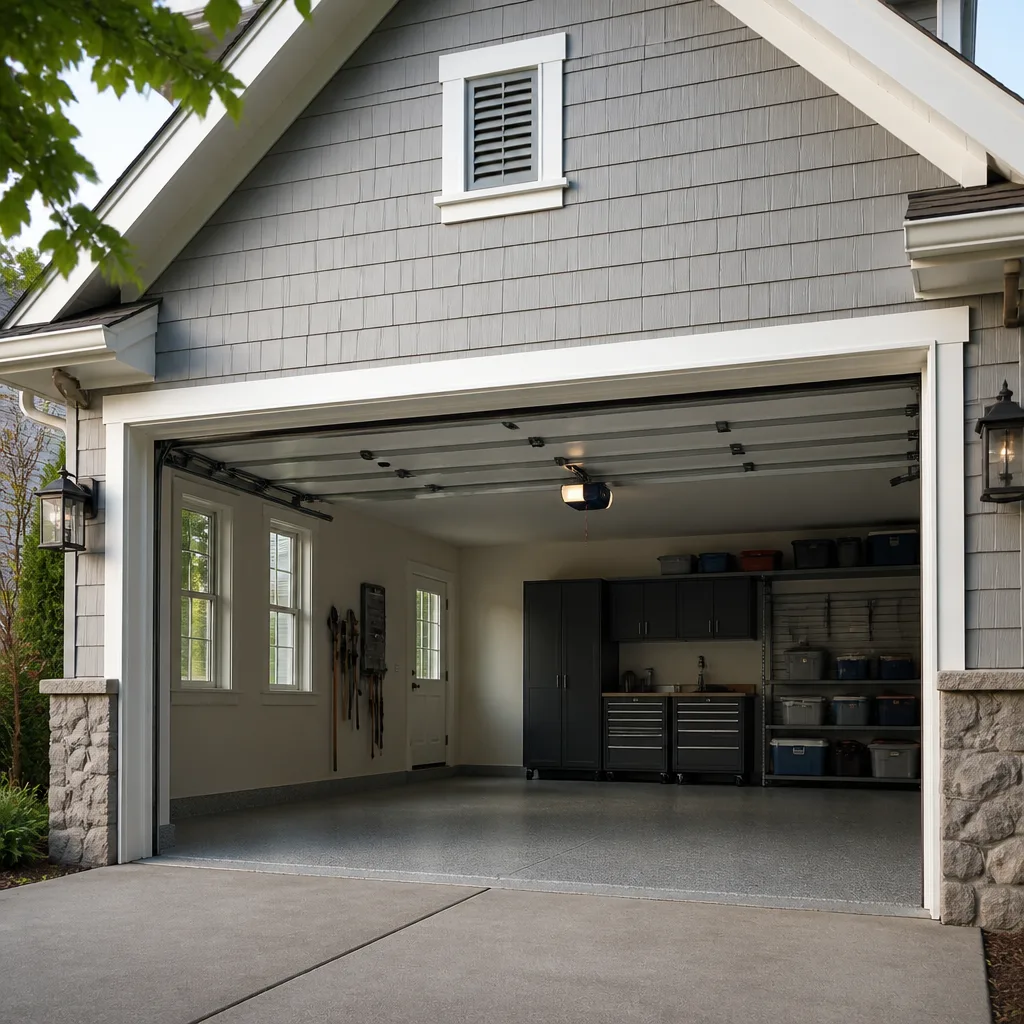 Chamberlain openers
Full 25-point door and opener safety check with every visit - springs, cables, rollers, tracks, and your LiftMaster or Chamberlain opener included
You get a price before we start. It does not change when the pro arrives.
Get your free estimateHow to Hire a Garage Door Contractor in Eagan: A Step-by-Step Guide
Here’s a fact that surprises most homeowners in Eagan: a garage door contractor in Minnesota is not required to hold a state contractor’s license for most repair work. That means a website can say “licensed and insured” and still leave you with almost nothing to verify. The barrier to entry in this trade is low, so the people who show up at your door range from brand-fluent specialists with calibrated tools to trunk-slammers who vanish after the invoice. This guide gives you the exact questions, documents, and red flags that separate the two, so you know what you’re buying before anyone touches your door.
Quick Answer
To hire a garage door contractor in Eagan, ask for proof of general liability and workers’ comp insurance, a written estimate that names parts by model number, and a straight answer about how the technician will diagnose your specific door and opener brand. Verify the company actually services your equipment rather than steering every diagnosis toward one manufacturer, and check reviews for service patterns rather than star averages. Compare at least two written estimates before you commit.
Styles & brands we work with
- Raised-panel steel
- Carriage house
- Modern flush
- Full-view glass
- LiftMaster openers
- Chamberlain openers
Table of Contents
- Why Garage Door Contractors Need More Vetting Than Other Trades
- The Insurance Documents to Request (and Why Both Matter)
- How to Spot a Single-Brand Dealer in Disguise
- What a Legitimate Written Estimate Must Include
- Questions That Reveal Real Brand Knowledge
- Reading Online Reviews for Garage Door Companies
- Eagan Seasonal and Climate Factors to Ask About
- The Hiring Process, Step by Step
- Common Mistakes to Avoid
- When to Call a Professional
- Frequently Asked Questions
Why Garage Door Contractors Need More Vetting Than Other Trades
Most trades in Minnesota have a paper trail you can check. Electrical work, plumbing, and gas lines all route through licensed professionals with permit records. Garage door repair sits in a gap. For routine repair work, the state does not require a contractor’s license, so the phrase “licensed and insured” on a website can legally mean very little unless you ask what kind of insurance and who holds it. That’s not a reason to panic. It’s a reason to ask better questions.
The practical effect is that the market around Eagan holds a wide spectrum of operators. At one end are specialists who work on every major system and carry proper coverage. At the other are general handymen who watched a video and bought a spring winder. Most sit somewhere between. Your job as a homeowner is to sort them out before the estimate, not after.
There’s a second reason to vet carefully. Garage doors are heavy, under constant spring tension, and mounted to a structure attached to your house. A repair done wrong doesn’t just fail. It can fail violently. That’s why we approach this as a specialist trade rather than a general handyman job, and why the vetting questions below focus on competence and coverage rather than price alone.
If you already know you need service and want to skip the sorting process, you can go straight to Eagan Garage Door Repair and start with a free estimate. If you’d rather understand the process first, keep reading.
The Insurance Documents to Request (and Why Both Matter)
Ask for two separate certificates of insurance: general liability and workers’ compensation. They cover completely different risks, and a company that has one but not the other is only half-covered for the work happening in your attached garage.
General liability insurance
General liability covers damage to your property. If a technician drops a door section onto your car, cracks your driveway, or damages the garage framing during installation, general liability is what pays. Ask for a certificate of insurance naming the coverage and the policy’s active dates. A legitimate company will send it without hesitation.
Workers’ compensation insurance
Workers’ comp covers the technician if they’re injured on your property. This is the one homeowners forget, and it matters more than most people realize. Garage door work involves heavy components, sharp edges, and high-tension springs. If an uninsured technician is hurt in your garage, the medical costs can land on your homeowners policy or on you directly. When you hire a company, you want that company’s workers’ comp to be the thing that responds, not your own coverage.
What to actually ask for
- Request the certificate of insurance for general liability, with active dates visible.
- Request the certificate for workers’ compensation separately.
- Confirm the certificate is issued to the company you’re hiring, not a subcontractor you’ve never heard of.
- Ask whether the technician arriving at your home is an employee or a subcontractor, and whose insurance covers them either way.
- If a company hesitates or says “we’re covered” without producing documents, move on.
This is the single most useful five minutes you’ll spend in the hiring process. A company that can produce both certificates quickly is signaling that it operates as a real business. A company that can’t is telling you something too.
How to Spot a Single-Brand Dealer in Disguise
A single-brand dealer isn’t automatically a bad choice. If you already own that brand and it’s under warranty, a dealer can be the right call. The problem is when a dealer presents as brand-neutral and then every diagnosis happens to end with their brand’s replacement product. You want to know which kind of company you’re talking to before the estimate conversation starts.
The tell-tale signs
- Every problem leads to a full replacement. If a worn spring, a noisy opener, and a dented panel all get the same recommendation, you’re being sold a product, not a repair.
- The brand on the website is the brand on the truck. If a company’s marketing is built around one manufacturer, ask directly whether they service other brands and whether they’d recommend a repair on your existing system.
- They won’t quote a repair at all. A legitimate specialist will offer you both options: repair what you have, or replace it. If replacement is the only path offered, ask why.
- They disparage your current equipment. Comments like “that brand isn’t worth fixing” are a sales script, not a diagnosis.
We take the opposite approach. We work on Chamberlain, Genie, Clopay, Amarr, and the other major systems, and we don’t have a manufacturer affiliation that pushes one recommendation over another. That matters most when the honest answer is a repair rather than a replacement. A brand-agnostic company can tell you to fix what you have without a conflict of interest.
When you get an estimate, ask this question directly: “If this were your own door, would you repair it or replace it?” A specialist with no brand agenda can answer that with a straight face.
What a Legitimate Written Estimate Must Include
The written estimate is where good contractors and bad ones separate most clearly. A vague estimate is not a favor to you; it’s a way to leave room for an invoice that grows after the work starts. Here’s what a proper one contains.
Parts named by name and model number
“Repair hardware” tells you nothing. A real estimate names the spring by wire gauge and length, the opener model, the roller type, or the panel part number. If a technician can’t name the part, they may not know what they’re installing. That’s a fair reason to ask them to be specific.
Labor separated from parts
You should be able to see what the parts cost and what the labor costs. A single lump sum hides both and makes comparison shopping impossible.
Torsion vs. extension spring clearly stated
These are different systems with different failure modes and different price points. An estimate that just says “spring” is incomplete. If you’re not sure which you have, the technician should show you. For a deeper explanation of what each repair involves, see our guide to garage door spring repair.
Disposal and haul-away
Old springs, panels, and openers have to go somewhere. Confirm whether removal is included or billed separately.
A stated total and the words “final price”
The estimate should say the written price is what you’ll pay unless you approve a change in scope. That sentence is the single most important line in the document. If it isn’t there, ask for it.
A comparison table
- Vague estimate: “Repair door – $400”
- Legitimate estimate: “Two torsion springs, 0.250 x 2.00 x 28-inch, labor included, haul-away included – $X. Written price is final unless you approve additional work.”
The difference between those two lines tells you almost everything about who you’re hiring.
Questions That Reveal Real Brand Knowledge
You don’t need to know your opener’s model number to vet a technician. You just need to ask questions that a real specialist can answer on the spot and a pretender can’t. Here are the ones that work in our experience.
- “What brand and model is my opener?” A technician who services your system will usually look at the housing and tell you within seconds. A generic handyman will guess or deflect.
- “Does my opener use a belt, chain, or screw drive, and does it matter for this repair?” The answer should be specific to your unit. Belt drives fail differently than chain drives, and the noise complaints differ too.
- “How do you know which replacement spring to order?” The right answer involves measuring wire gauge, inside diameter, and length, not eyeballing it or matching what’s on the door.
- “Is my door balanced?” A balanced door stays put halfway up when disconnected from the opener. A technician should be able to test this in a minute.
- “What happens if the repair doesn’t hold?” You want a clear answer about what they’ll do if something fails shortly after the visit.
We work on Chamberlain, Genie, Clopay, Amarr, LiftMaster, Wayne Dalton, Craftsman, and Raynor equipment, so our technicians arrive already familiar with the system in your garage. If you want to understand what a proper diagnostic looks like for an opener specifically, our guide to garage door opener repair walks through what a technician should check and in what order.
Reading Online Reviews for Garage Door Companies
Star averages are the least useful thing in a review section. What matters is the pattern of service, and garage door reviews have tells that other trades don’t. Here’s how to read them.
Signals of genuine service reviews
- Specific brand and part mentions. “They replaced my LiftMaster belt and adjusted the travel” is a real review. “They fixed my door, great service!” is filler.
- Complaints that get answered. A company that responds to a negative review with specifics is operating with its name attached. Silent companies are a warning sign.
- Mixed but realistic language. Real customers mention wait times, price surprises, or a second visit to fix a small issue. Reviews that read like a brochure are the ones to distrust.
- Repeat customers over time. A reviewer who came back for a different repair is a good sign.
Signals of fake or coached reviews
- Bursts of identical language. If ten reviews use the same phrase, they weren’t written independently.
- Reviews that name the owner or manager repeatedly. Fine occasionally, suspicious when it’s the pattern.
- Reviews with no service detail. “Highly recommend” with nothing else tells you little.
- Timing clusters. Many reviews posted in the same week, especially on a newer profile, are worth a second look.
The best approach is to ignore the average and read the last ten reviews in full. If most of them describe actual garage door problems that got solved, you’re looking at a real service operation.
Eagan Seasonal and Climate Factors to Ask About
Hiring in Eagan isn’t the same as hiring in a mild climate, and it’s worth asking a contractor how they handle that. Minnesota’s freeze-thaw cycle is hard on garage doors and openers. Springs cycle through tension changes as temperatures swing. Door seals crack and pull away. Opener force settings that work fine in October can strain in January when the door gets stiff in the cold. None of that is a reason to replace a door, but it’s a reason to hire someone who knows how to adjust for it.
Ask these questions when you get an estimate:
- Do you adjust the opener’s force and travel settings for the season, or only at install?
- How often do you find cracked bottom seals in Eagan, and is replacement part of your repair visit?
- Do you recommend lubricating rollers and hinges before winter, and does that come with a repair call?
- If I need a new door, what R-value and insulation should I be asking for in this climate?
We don’t claim to know the R-value you need for your specific home. That depends on how your garage is built and whether you heat it. But a technician who can’t discuss insulation and sealing with you at all is probably not equipped to recommend a new door, and you should find someone who can.
The Hiring Process, Step by Step
Here’s the sequence that works in Eagan. It’s the same process we’d follow if we were hiring someone to work on our own house.
- Identify the problem. Does the door not open? Is there a grinding noise? Is one side lower than the other? Is the opener making a noise the door doesn’t? Knowing what you’re describing helps a contractor route the right technician.
- Call two or three companies. Not one. Ask each the same set of questions so you can compare answers directly.
- Request the insurance certificates. General liability and workers’ comp, both current.
- Get a written estimate before any work begins. On a repair, that can often happen the same day. On a new door or open installation, it should come after a proper measure, not a phone estimate.
- Check the estimate against the checklist above. Parts named by model number, labor separated, disposal accounted for, final price stated.
- Compare the estimates side by side. If one is dramatically lower, find out why. Low bids usually mean a skipped step, cheaper parts, or missing insurance.
- Confirm the scope in writing before work starts. If anything changes once the technician sees the actual condition, you should approve it before the price moves.
For a repair, this whole process can be compressed into a few hours if you’re working with a company that does same-day service. For an installation or a new door, it’s measured and scheduled, so give yourself more lead time. There’s no reason to rush a decision on a door that will be in your garage for the next twenty years.
If the diagnosis comes back pointing toward repair, our garage door repair service covers the full range: springs, cables, rollers, tracks, panels, and openers. If it points toward a new door, ask about brands like Clopay and Amarr and get a written quote based on a measure, not an estimate from a photo.
Common Mistakes to Avoid
- Assuming “licensed and insured” means verified. For most garage door repair work in Minnesota, there’s no state contractor’s license required, so the phrase means little until you ask for the certificates. Ask for both general liability and workers’ comp before booking.
- Hiring on price alone. The lowest bid often hides a skipped step: no balance check, cheaper springs, or a technician who doesn’t have the right tool for a torsion adjustment. Compare itemized estimates, not totals.
- Letting a technician touch a torsion spring before they’ve confirmed your door is balanced. A spring swap on an unbalanced door just moves the wear to somewhere else. A legitimate technician will test balance first.
- Skipping the written estimate. Verbally agreeing to “we’ll take a look” without a written scope is how invoices grow. The written price should be the final price, and if it isn’t in writing, it isn’t agreed.
- Calling a general handyman for a spring repair. Torsion springs are under heavy tension and a mistake can cause serious injury. This is a job for a specialist with the right tools and training, not a general repair person.
- Ignoring the opener’s age during a door decision. If you’re installing a new door, the opener should be part of the conversation. A newer door with an older opener can work poorly together unless the opener is set for the door’s weight.
- Not asking about a warranty. Ask specifically what’s covered, for how long, and whether the company stands behind labor as well as parts.
- Choosing a dealer without asking whether they’d repair your existing door. If replacement is the only answer offered, the diagnosis may be driven by the brand on the truck rather than the state of your door.
When to Call a Professional
Some garage door problems are safe to watch and observe, and some aren’t safe to touch. Call a professional when a torsion spring or cable breaks, when the door is crooked or won’t stay up, when the opener strains or reverses on its own, or when the door becomes a security issue because it won’t close all the way. Also call a professional for anything that could involve high-tension components. We’d rather you didn’t try to adjust a torsion spring yourself, and we mean that in a practical, safety sense, not a sales one. If a door is stuck open with your car inside or your house exposed, an emergency call is the right move, and we treat it that way. Eagan Garage Door Repair offers free estimates in Eagan. Call (844) 643-4886 to schedule one, including emergency service when you need it.
Frequently Asked Questions
For most garage door repair work in Minnesota, the state does not require a contractor’s license, so you won’t find a state license number to check the way you would for electrical or plumbing. What you can and should verify is insurance: general liability and workers’ comp. Ask for both certificates before booking. Any legitimate company will send them without complaint. Call (844) 643-4886 for an estimate and we’ll walk you through what we carry.
The written price is the price unless you approve additional work. If the technician finds something the estimate couldn’t anticipate, they should stop and explain it before moving forward. Nothing should change on the invoice that you didn’t agree to in writing first. That’s the standard we hold ourselves to, and it’s a fair question to ask any company you’re considering. Call (844) 643-4886 for an exact quote, with estimates free.
A single-brand dealer is sometimes the right choice, especially if your equipment is under warranty or you’re replacing a door and want a specific manufacturer’s product. The risk is that a dealer’s “diagnosis” can end with their brand’s replacement by habit. A brand-agnostic specialist can recommend a repair or a replacement based on what the door actually needs, with no inventory or partnership pushing one answer. It’s worth asking any company directly whether they’d repair your existing door if it were the right call.
A good estimate names parts by name and model number, separates labor from parts, includes disposal and haul-away if needed, and states that the written price is final unless you approve a change. Any estimate that says only “repair hardware” is not specific enough to compare against another bid. If you’re replacing a door, the estimate should also come from a measure, not a phone estimate or a picture.
Ask them to identify the brand and model of your opener, and ask whether it’s belt, chain, or screw drive. Ask how they’ll determine which spring to order. A specialist answers these in seconds because they work on that equipment every week. We service Chamberlain, Genie, Clopay, Amarr, LiftMaster, Wayne Dalton, Craftsman, and Raynor, so a technician should arrive already familiar with your system rather than learning it on the spot. Our technicians have up to 12 years of experience.
For repair and emergency situations, same-day service is often possible, and we treat a stuck-open door as a security issue rather than a premium add-on. Call (844) 643-4886 and we’ll get you on the schedule as fast as we can. For a new door or full installation, the work is measured and scheduled, not same-day, because the door has to be ordered to your measurements. Either way, the estimate is free and the price is agreed before anything starts.
The Bottom Line
Hiring a garage door contractor in Eagan comes down to a handful of habits. Ask for general liability and workers’ comp certificates. Get a written estimate that names parts by model number and states the final price. Find out whether the company services your brand or only its own. Read a company’s last ten reviews for real service detail, not star averages. And when the topic is high-tension springs or anything that puts a technician in front of a heavy moving door, hire a specialist rather than a general handyman. The right hire is usually the company that answers these questions without hesitation and gives you a written price you can hold them to.
Contact Us
If you’re ready to stop sorting through contractors and get a straight answer about your door, call Eagan Garage Door Repair at (844) 643-4886 for a free estimate. We work on every major garage door and opener brand, cover springs, openers, panels, and full installations, and offer emergency service when a stuck door becomes a security problem. The quote is written, the price is agreed before we start, and the right part goes on your system. One call covers it.
Written by the team at Eagan Garage Door Repair.
See the difference
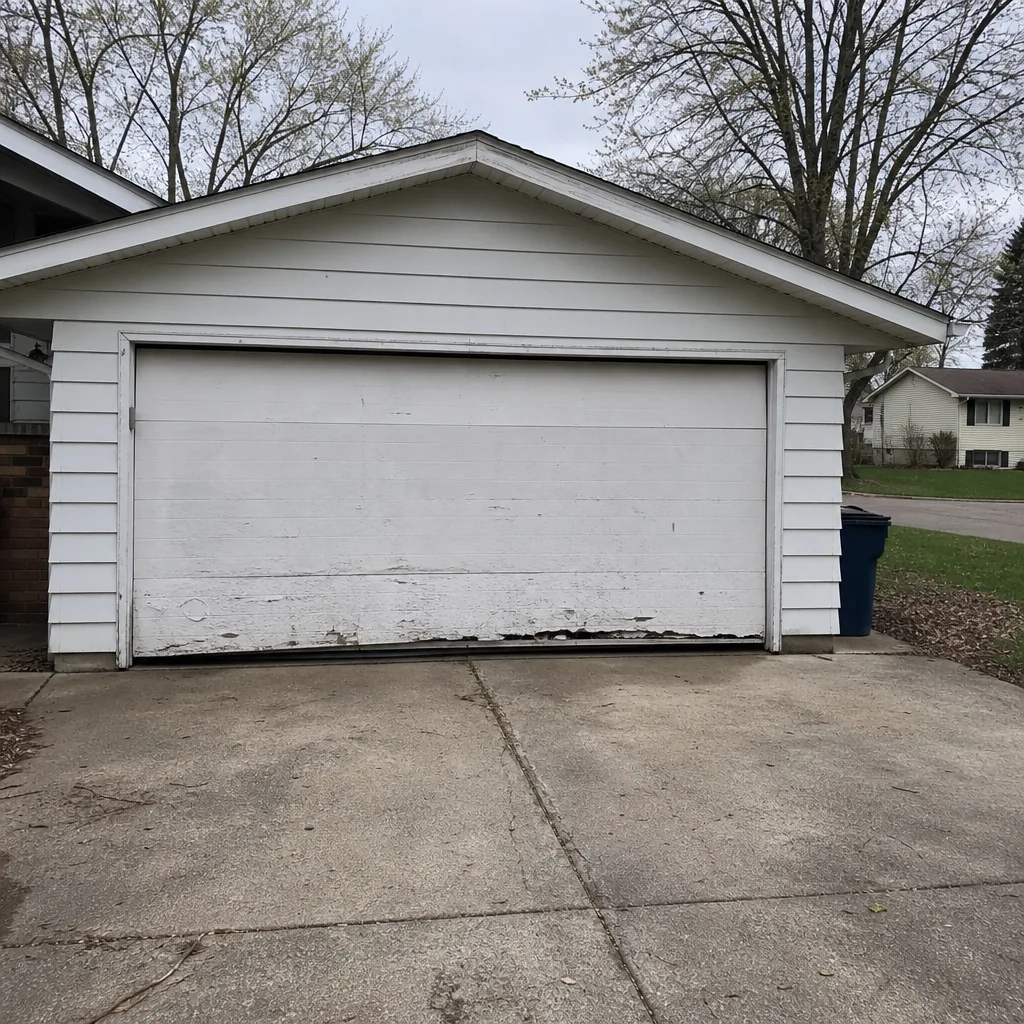 Before
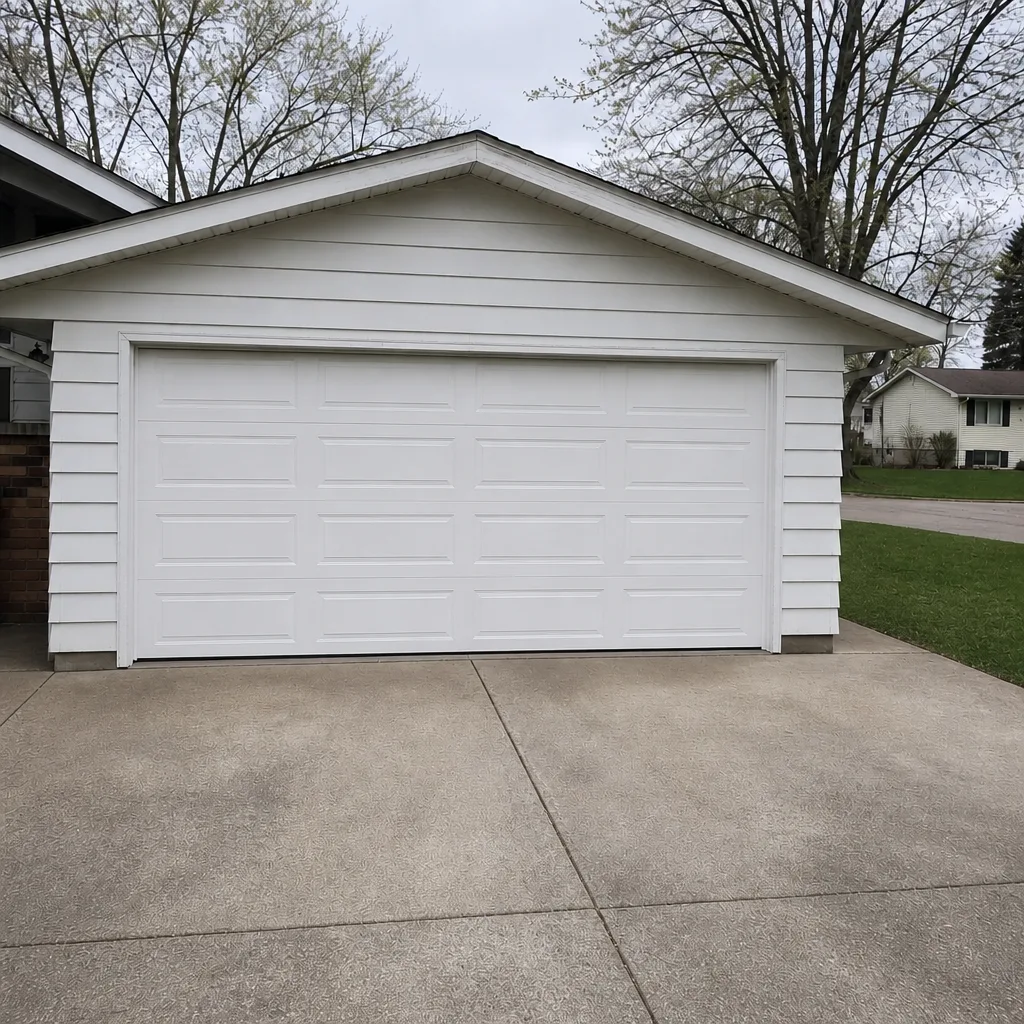 After
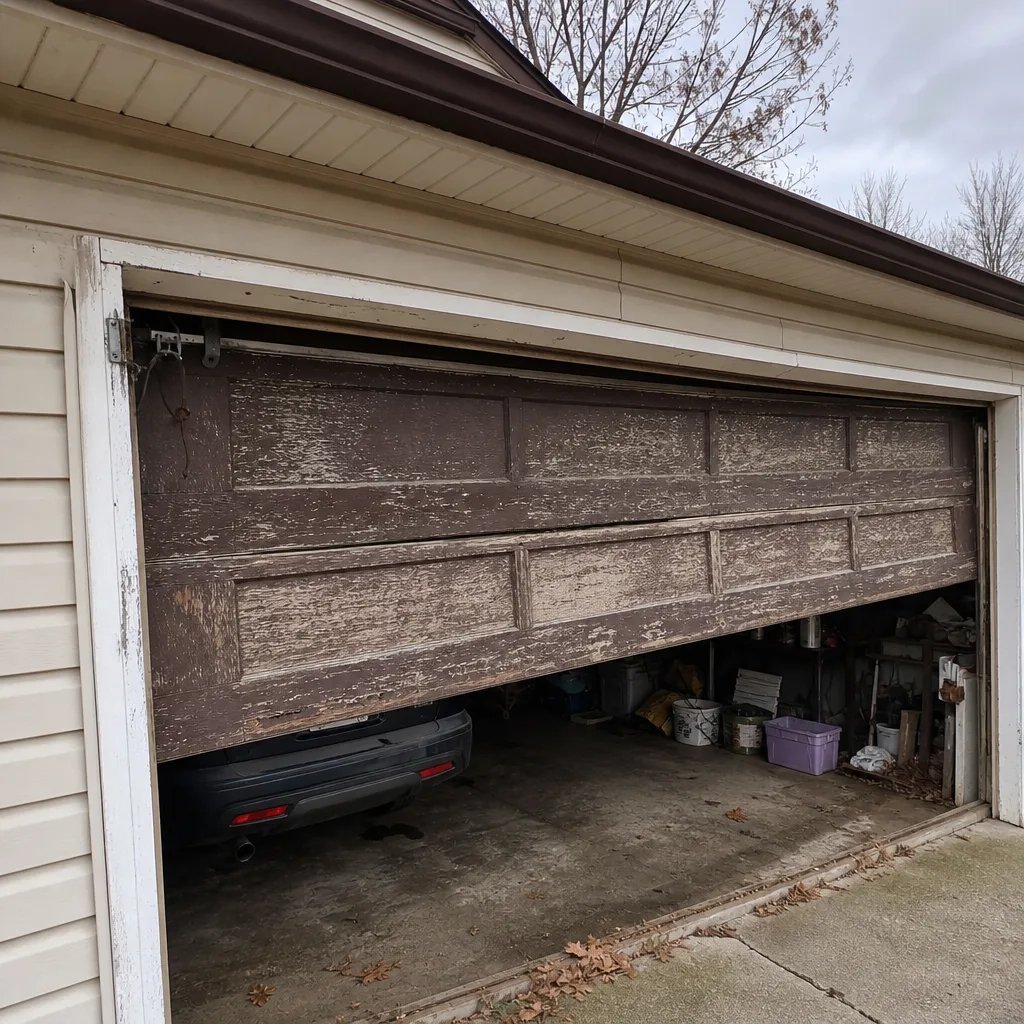 Before
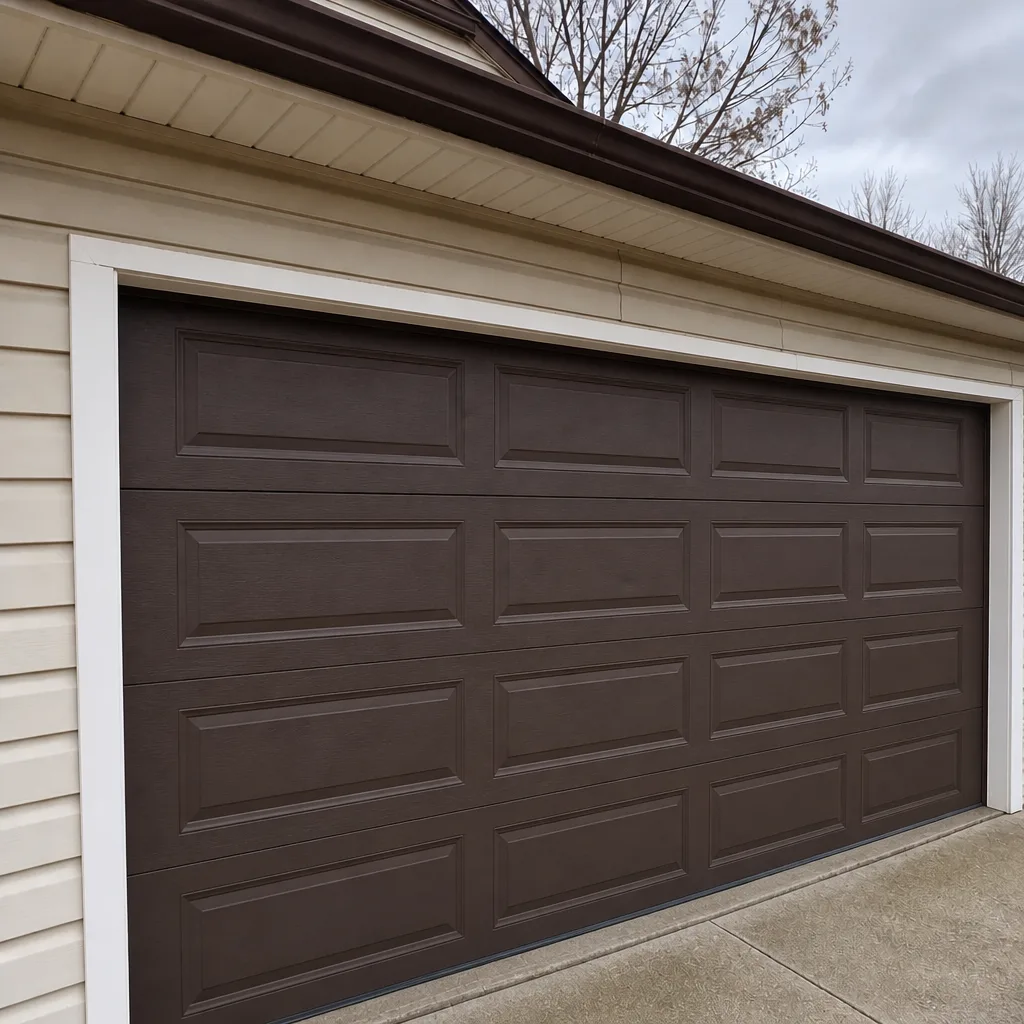 After
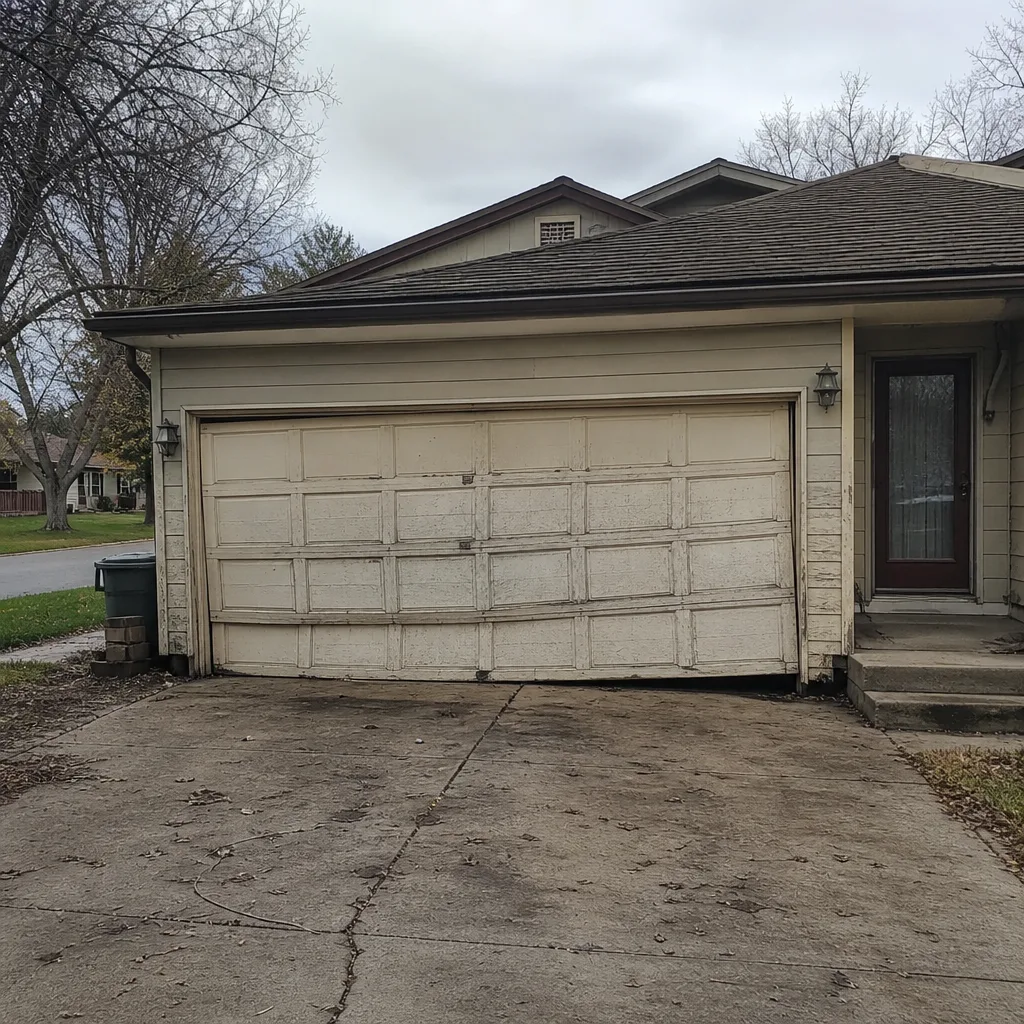 Before
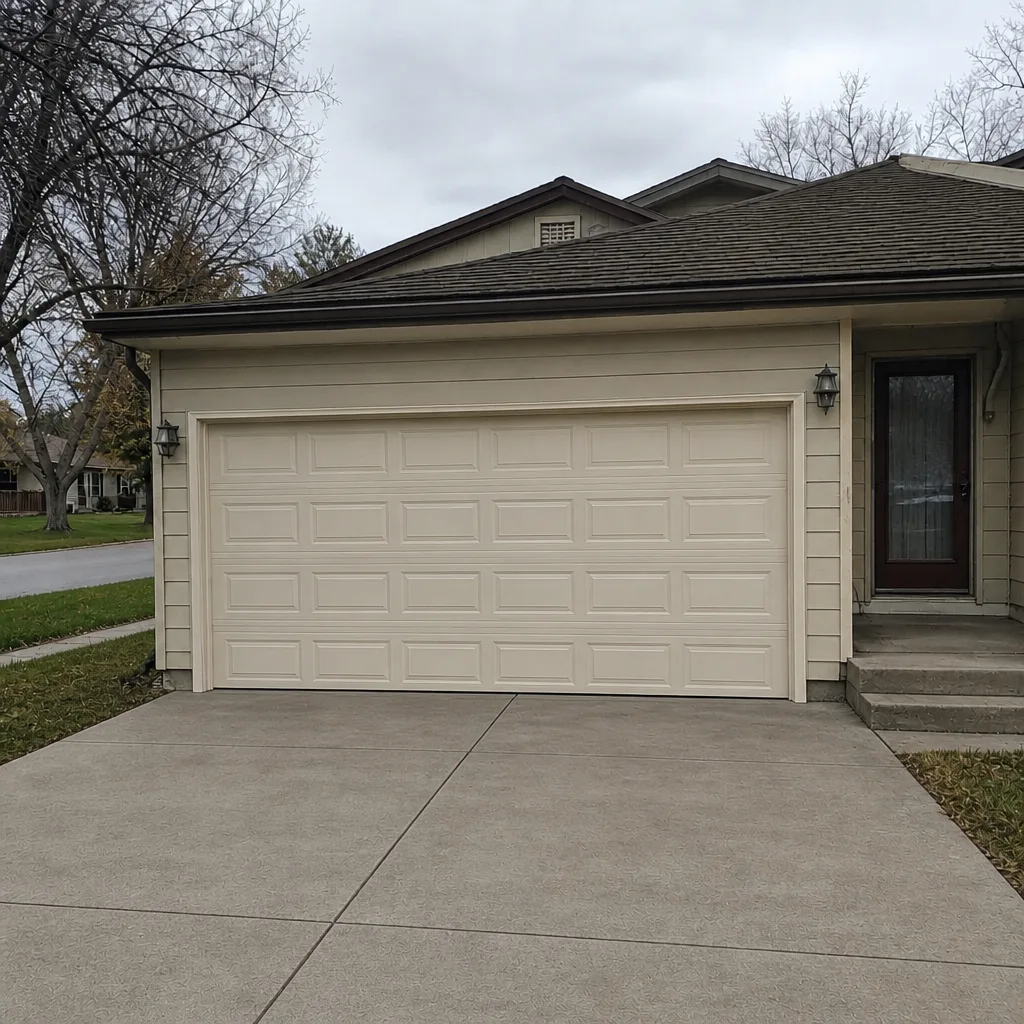 After