Last updated November 21, 2026
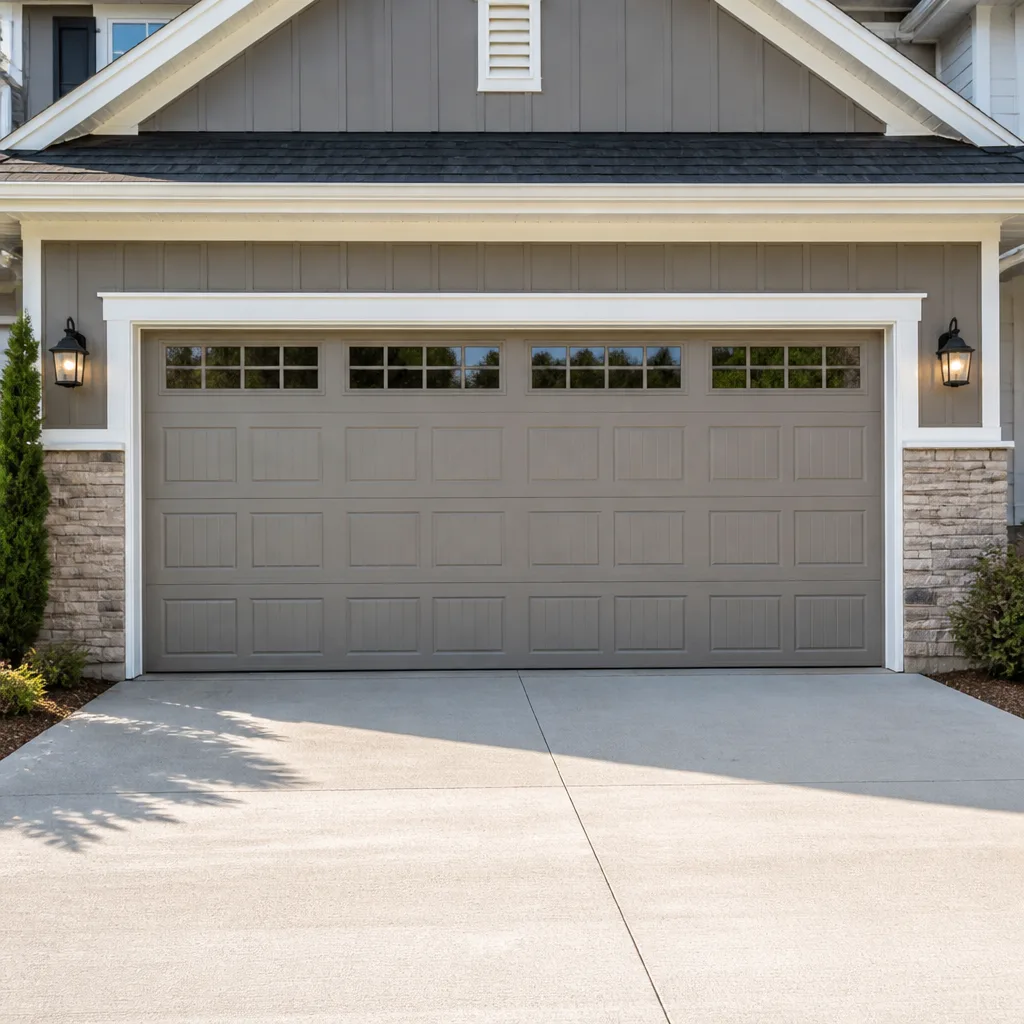 Raised-panel steel
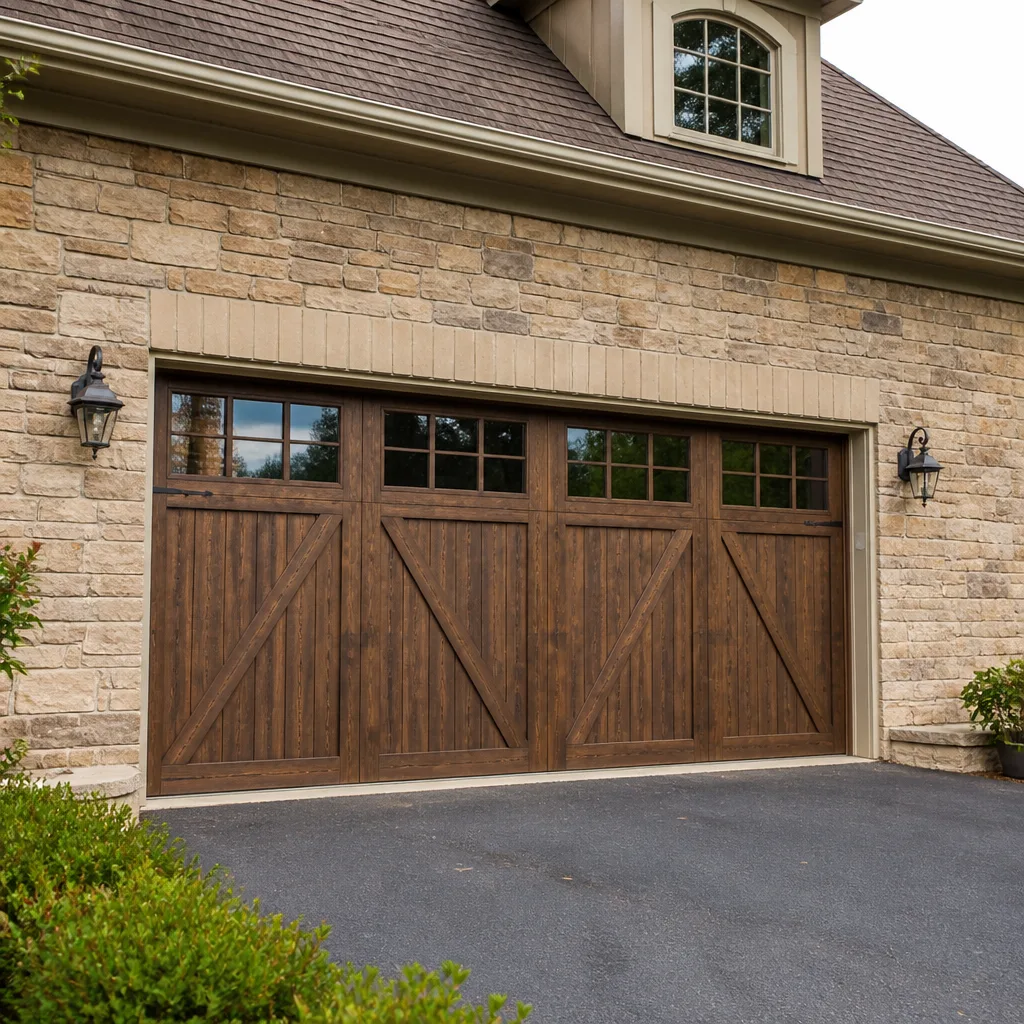 Carriage house
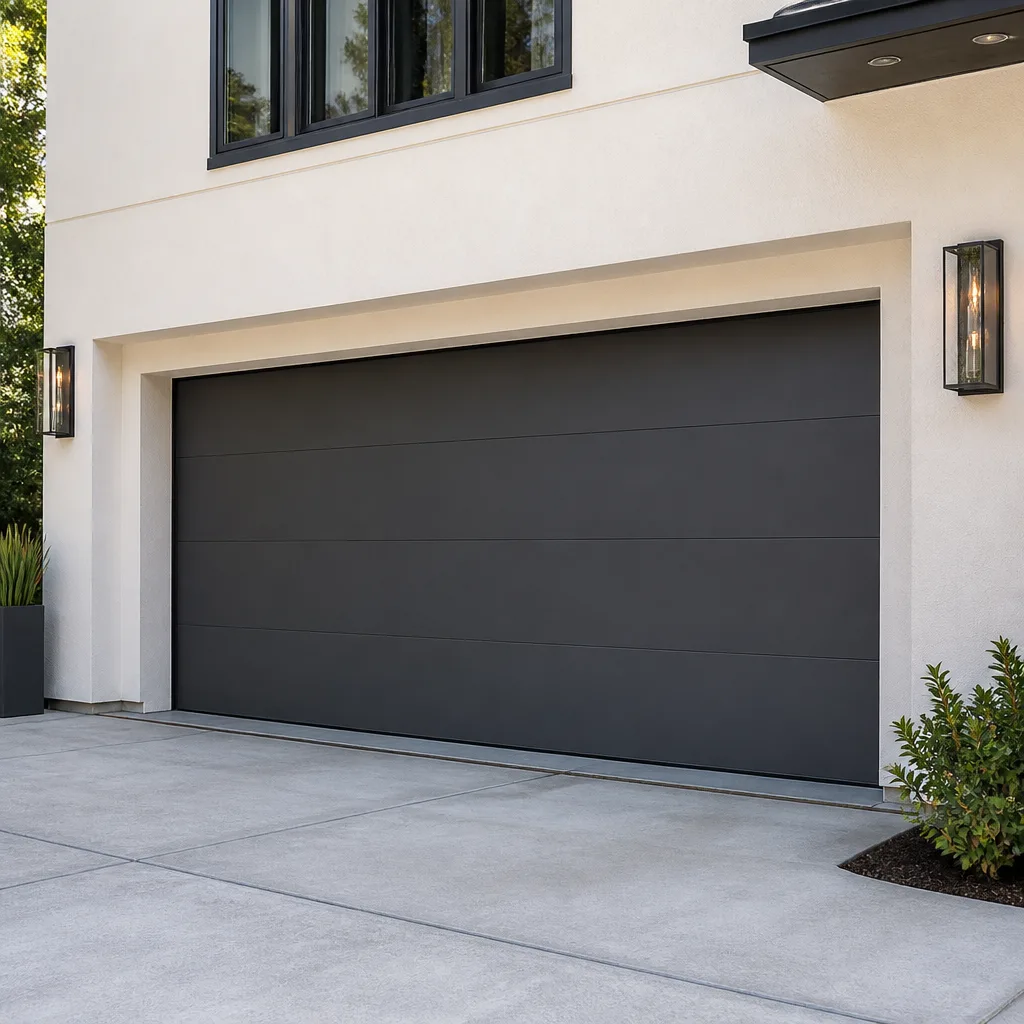 Modern flush
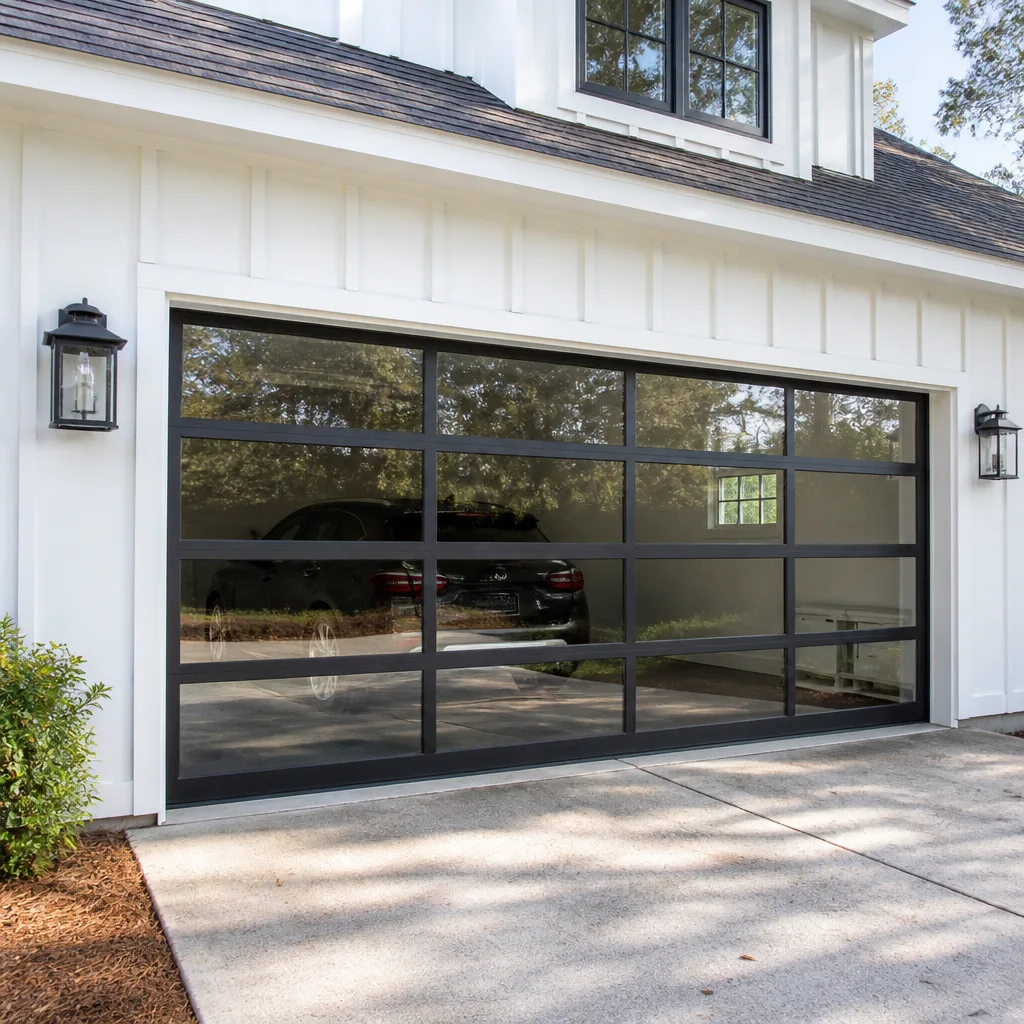 Full-view glass
 LiftMaster openers
 Chamberlain openers
Full 25-point door and opener safety check with every visit - springs, cables, rollers, tracks, and your LiftMaster or Chamberlain opener included
You get a price before we start. It does not change when the pro arrives.
Get your free estimateDIY vs Professional Garage Door: The Eagan Homeowner’s Decision Guide
Torsion spring replacement is the most-searched DIY garage door job on the internet, and it’s the one most likely to put a homeowner in the emergency room. That’s not a knock on homeowners. The energy stored in a wound torsion spring can release with enough force to break bones or worse if it’s handled wrong, and most people never learn that until they’re already halfway through the job. This guide draws a clear line between the garage door tasks you can genuinely handle yourself and the ones where the risk doesn’t match the savings. You’ll learn which jobs are safe, which need pro tools, and which simply aren’t worth it in an Eagan garage.
Quick Answer
Most garage door maintenance is safe to do yourself: lubricating tracks and rollers, tightening bolts, replacing weatherstripping, cleaning photo-eye sensors, and swapping a battery in your remote. Torsion and extension spring work, cable replacement, opener capacitor repair, and motor replacement are jobs where DIY tends to cost more in risk, voided warranties, and cascading damage than a professional repair would have. Panels and rollers land in a middle zone: manageable for a careful homeowner with a second set of hands, but easy to get wrong on a heavier door.
Styles & brands we work with
- Raised-panel steel
- Carriage house
- Modern flush
- Full-view glass
- LiftMaster openers
- Chamberlain openers
Table of Contents
- The Decision Framework: Which Garage Door Jobs Are Actually Safe to DIY?
- Jobs You Can Safely Do Yourself
- Jobs That Need Professional Tools But Not Special Knowledge
- Jobs Where DIY Risk Is Categorically Not Worth It
- The Hidden Cost of DIY Mistakes on a Garage Door
- What YouTube Prepares You For and What It Doesn’t
- How to Tell If Your Door and Opener Have DIY-Friendly Parts
- When a Quick DIY Fix Masks a Bigger Problem in Older Eagan Homes
The Decision Framework: Which Garage Door Jobs Are Actually Safe to DIY?
The right question isn’t “How skilled am I?” It’s “If this goes wrong, what happens?” That single reframe changes everything. A misaligned roller might make a scraping noise. A misaligned cable can drop a door. Those aren’t the same category of mistake, and treating them as equally risky or equally safe is where homeowners get into trouble.
Here’s the framework we use when we talk through a project with an Eagan homeowner:
- Is there stored energy? Springs, cables, and torsion bars are under tension. Anything under load belongs in a higher risk tier, no exceptions.
- Does the failure mode involve weight falling? A door panel is 30 to 60 pounds depending on material. If the answer is yes, plan for a helper or call a pro.
- Does the job touch the opener’s warranty? Most LiftMaster, Chamberlain, and Genie units lock in their warranty once you open the motor housing yourself.
- Is a wrong repair going to damage something downstream? A misaligned track can bend rollers, chew the opener gear, and stress a hinge over a matter of weeks.
- Do you have the specific tools? Winding bars, a proper cable clamp, and a torque wrench are not the same as a socket set.
Run a task through those five questions and the answer usually falls out on its own. Weatherstripping fails none of them. Torsion springs fail the first three. That gap is the whole guide in miniature, and it’s the reason we approach every Eagan garage door with the same triage attitude whether we’re doing the repair or just giving advice.
Jobs You Can Safely Do Yourself
These are genuine DIY tasks. No special tools, no stored energy, no risk of the door coming down. If you’re handy at all, they’re worth doing yourself and we’ll happily tell you so.
- Lubricating the door. A lithium-based or silicone spray lubricant on hinges, rollers, and the torsion bar bearing plate every few months keeps everything quiet and moving freely. The freeze-thaw cycles Eagan sees through winter make this a job worth staying on top of.
- Tightening hinge and track bolts. Vibration loosens hardware over time. A quick pass with a socket wrench restores a lot of stability.
- Replacing bottom weather seal. The rubber seal along the bottom of the door takes the most abuse in Minnesota winters. It’s a low-cost swap and doesn’t require touching anything under load.
- Cleaning and aligning photo-eye sensors. The two small sensors near the bottom of the track can get dusty or knocked out of alignment. A quick wipe and a nudge back into position solves most “door won’t close” calls.
- Replacing remote batteries and reprogramming remotes. Straightforward on every major opener brand we service.
- Repainting or touching up steel and wood panels. Cosmetic, safe, and easier than most homeowners expect.
- Clearing debris and inspecting rollers visually. A yearly visual walk-around is genuinely useful. Look for cracks in nylon rollers, fraying on cables, and rust on springs.
None of these jobs touch a spring, a cable, or a motor. That’s the pattern to notice. When you stay outside the energy system and outside the electronics, you’re on safe ground. If you’re in Eagan and something you see during that walk-around worries you, that’s the moment to book a professional garage door repair – not after the door has already failed.
Jobs That Need Professional Tools But Not Special Knowledge
These are the middle tier. A competent homeowner with the right tools, a helper, and patience can often pull them off. But the tooling is specific enough that most people either don’t have it or shouldn’t buy it for a single project.
- Panel replacement on a multi-panel door. Individual panels are replaceable. Doing so on a sectional door generally requires releasing spring tension first on some designs, which immediately puts it back into the top-risk tier. Single-panel doors on a tilting mechanism are much more forgiving.
- Roller replacement. Sounds simple. On a door that’s been sitting for a decade, the torsion springs need to be relaxed to safely remove tension, and if you don’t do that correctly you’ve created the problem you were trying to avoid.
- Opener drive belt or chain replacement. Doable with basic tools on a LiftMaster or Chamberlain unit. The safety reverse settings need recalibrating afterward with a proper test, which is where many DIY jobs quietly fail inspection by the next technician.
- Track straightening. Small dents at the curve can sometimes be worked out with a rubber mallet. Larger bends require track replacement and re-alignment across the full door throw.
- Weather seal at the door jambs and header. Slightly more tooling than the bottom seal but no stored energy to worry about.
For this tier, the honest question is: do you want to own the tools, the time, and the risk of a second attempt if the first one doesn’t land? Sometimes yes. Often the math tilts toward a free estimate from a pro who already has the right parts in their van. Either way, that component of the job is where Eagan Garage Door Repair usually gets called in for the follow-up correction.
Jobs Where DIY Risk Is Categorically Not Worth It
This is the short list, and it’s short on purpose. Anything in this section carries risk that no amount of care or experience can eliminate for a homeowner without the right training and tools.
- Torsion spring replacement. A wound torsion spring stores enough energy to do serious damage if it releases unexpectedly. The winding bars, the exact number of quarter-turns, and the safety protocols are things trained technicians get wrong early in their careers. This is garage door spring repair territory, not garage floor territory.
- Extension spring replacement. Different mechanism, same principle. Those springs carry the full weight of the door. If a single spring fails while you’re handling the other one, the door drops.
- Cable replacement. Cables are the second half of the spring system and stay under tension whenever the springs do. Cables can snap and whip. They’ve injured plenty of experienced techs over the years.
- Opener motor and capacitor replacement. The opener’s capacitor holds a charge even after power is cut. Touching the wrong terminal can deliver a painful shock. And opening the housing on a LiftMaster or Genie unit almost always voids the warranty.
- Full door replacement. Not a safety-only issue – weight, headroom, and spring balance calculations have to line up exactly or you’ll get a door that drags, binds, or drops on the opener.
- Any repair on a door that’s already dropping or unstable. If the door is falling under its own weight, the safest thing to do is block it, keep people and pets clear, and call for emergency service.
If you take nothing else from this guide, take this: spring and cable repair belong on the professional side of the line. Save yourself the hospital bill and the headache. Our technicians have up to 12 years of experience, and those years are exactly what makes the risk manageable.
The Hidden Cost of DIY Mistakes on a Garage Door
A wrong DIY repair rarely fails cleanly. It usually fails sideways – into a warranty claim that gets denied, a component that starts wearing twice as fast, or an insurance question that surfaces months later.
Here’s what we see most often in Eagan garages where a homeowner tried something and it didn’t quite land:
- Voided opener warranties. Every major opener brand – LiftMaster, Chamberlain, Genie, and the rest – has language in the warranty around unauthorized service. Open the motor housing and you’re the unauthorized service.
- Cascading track damage. A slightly bent track chews up rollers, which puts strain on the opener, which accelerates gear wear. One small DIY misalignment can trigger three separate replacement parts inside a year.
- Mis-set safety reverse. If the auto-reverse feature doesn’t trigger correctly after a DIY opener repair, the safety mechanism might not stop the door on contact. That’s a problem you want found before someone stands under it.
- Spring balance miscalculation. A spring wound to the wrong tension overworks the opener. Sometimes the opener gives out first. Sometimes it’s the door itself.
- Insurance gray zones. If a self-installed component fails and damages something, most homeowner policies will process the claim but may question the install. That conversation is worth avoiding.
- Missed problems behind the fix. Replacing a roller that’s failing because of a bent track doesn’t fix the track. It just resets the clock.
The pattern: DIY mistakes on a garage door don’t usually show up as a line item on a receipt. They show up as a specialist walking into a garage and finding three problems instead of one.
What YouTube Prepares You For and What It Doesn’t
Watching a tutorial genuinely helps. It helps you understand what a technician is going to do, it helps you spot a bad answer during a phone estimate, and it can absolutely get you through the safe DIY tasks above. But there’s a gap between “watching” and “doing” that no video closes, and it’s worth naming honestly.
What a video does prepare you for:
- Recognizing symptoms (a snapping sound, a door that reverses unevenly, a two-inch gap under the seal).
- Understanding what tools and parts are involved in a job.
- Doing the simple tasks in the previous sections correctly.
- Asking better questions when you call a pro.
What a video doesn’t prepare you for:
- The specific feel of tension on a winding bar. A video can describe it, but nothing substitutes for having your hands on a spring that’s gone slack in a way you didn’t expect.
- The weight of one door panel shifting when a hinge lets go. It’s heavier in person, and it behaves differently than the video showed because the door in the video wasn’t 15 years old.
- Reading a track for alignment errors in a way that predicts the next failure – not just spotting the obvious dent.
- The humidity and cold that an Eagan garage sees in February. Metal and rubber behave differently at 10 degrees than they do in a heated shop.
- Diagnosing which of three possible problems is actually causing the symptom.
Videos are a good starting point. They aren’t a substitute for the training and the tools a pro brings. We’ve had homeowners call us and correctly diagnose their own problem from a video – they knew exactly what was wrong and just didn’t want to do the work themselves. That’s the ideal outcome of a tutorial. What we hope for you is that the video helped you ask the right question, not that it convinced you to skip a safety step.
How to Tell If Your Door and Opener Have DIY-Friendly Parts
Some door systems are designed to be serviced. Others have proprietary components you can only get through a dealer. Which one you own determines whether a DIY repair is even practical.
Start with the label. Every garage door and opener has a manufacturer plate or sticker. Look for the brand and model number. Clopay, Amarr, and Wayne Dalton doors are widely represented across American homes, and their components are generally well-supported in the aftermarket. LiftMaster and Chamberlain openers (same parent company) have broad parts availability. Genie openers are common too and usually serviceable. If your door or opener is a smaller regional brand or a discontinued model, parts can be scarce and repair costs go up.
Check the model-year support. Openers older than about 15 years often have limited parts availability, especially for the safety reverse boards and gear assemblies. In that case, DIY is usually not the problem – replacement is.
Look for proprietary interfaces. Some manufacturers design hinges and brackets to only fit their own door. That’s fine if the parts exist on the shelf. It’s a wall if they don’t.
Ask about digital safety hardware. Modern openers use tilt sensors and myQ-style connectivity. Firmware issues and pairing problems on these units are usually not DIY-fixable even when the motor is fine.
If you own an older door and can’t find the model plate or don’t recognize the brand, a quick professional visit will identify it. For openers specifically, our garage door opener repair team carries enough parts knowledge across brands to identify what you have and whether the right part is available. That’s a diagnostics conversation, and it’s free.
When a Quick DIY Fix Masks a Bigger Problem in Older Eagan Homes
The older housing stock across Eagan has garage doors that range from recent installs to original equipment from the 1980s and 1990s. On those older doors, a small DIY repair can hide a bigger problem that an inspection would have caught months earlier.
The patterns to know about:
- A noisy door that “just needed oil.” Sometimes true. Sometimes the noise is a dry bearing plate on a torsion system that’s about to fail. The oil quiets the symptom without fixing the cause.
- A door that closes slowly. Usually diagnosed as an opener problem. Often the door itself is unbalanced and dragging on the track. Adjusting the opener speed doesn’t fix it and stresses the opener.
- A sagging door that closes with a gap. Replacing the weather seal doesn’t fix the sag. The seal tears again in a month because the door is out of balance.
- Loose hinges that “just needed tightening.” If they loosen again within a few weeks, the hinge plates are stripping out of the panel. That’s an age issue, and replacing the hinge alone doesn’t fix it.
- A door that reverses unexpectedly. Treated as a sensor fix. Sometimes it’s the opener’s control board starting to fail.
The problem with masking isn’t just the delayed fix. It’s that the underlying problem keeps getting worse underneath the cosmetic repair, so when it finally fails, it fails bigger. A broken spring is a bad day. A broken spring with a bent track is a much bigger one.
The flip side of that coin: an inspection on an older door occasionally catches something structural that no DIY fix would have addressed – rotted header wood, worn hinge plates that need replacement, or a sagging header that’s affecting the track mounting. Those aren’t problems a homeowner was ever going to spot from a video. Getting an inspection done on an older Eagan door, even when it’s currently “working fine,” is one of the highest-value things you can do.
Common Mistakes to Avoid
- Working on a spring without winding bars. Two screwdrivers are not winding bars. Screwdrivers slip. A winding bar is purpose-built for exactly this application for a reason, and the reason is safety.
- Ignoring a bent track. A 10-degree kink in the track doesn’t just make the door noisy – it grinds the rollers down and overworks the opener. Fix the track, not the symptom.
- Opening the opener’s motor housing for a “quick fix.” On a LiftMaster, Chamberlain, or Genie unit, this often voids the warranty and puts the safety reverse out of adjustment. There’s no DIY shortcut here worth the trade.
- Adjusting springs to “balance” a door you just replaced a roller on. Balance is a spring calculation. It’s not trial-and-error. If you’ve changed the weight distribution, get the spring work checked.
- Assuming a YouTube video of a new door applies to your 20-year-old one. New installs behave differently from doors that have had 20 to 30 Minnesota winters through them. The principle is the same; the execution often isn’t.
- Skipping the annual walk-around. A quick visual check every year catches 80% of the problems that turn into emergency calls. Check roller cracks, cable fraying, spring rust, and photo-eye function on one pass.
- Calling a handyman for a spring job. Garage door spring work is specialist work. Handymen who aren’t specifically trained on door systems are exactly as at-risk as you are.
See the difference
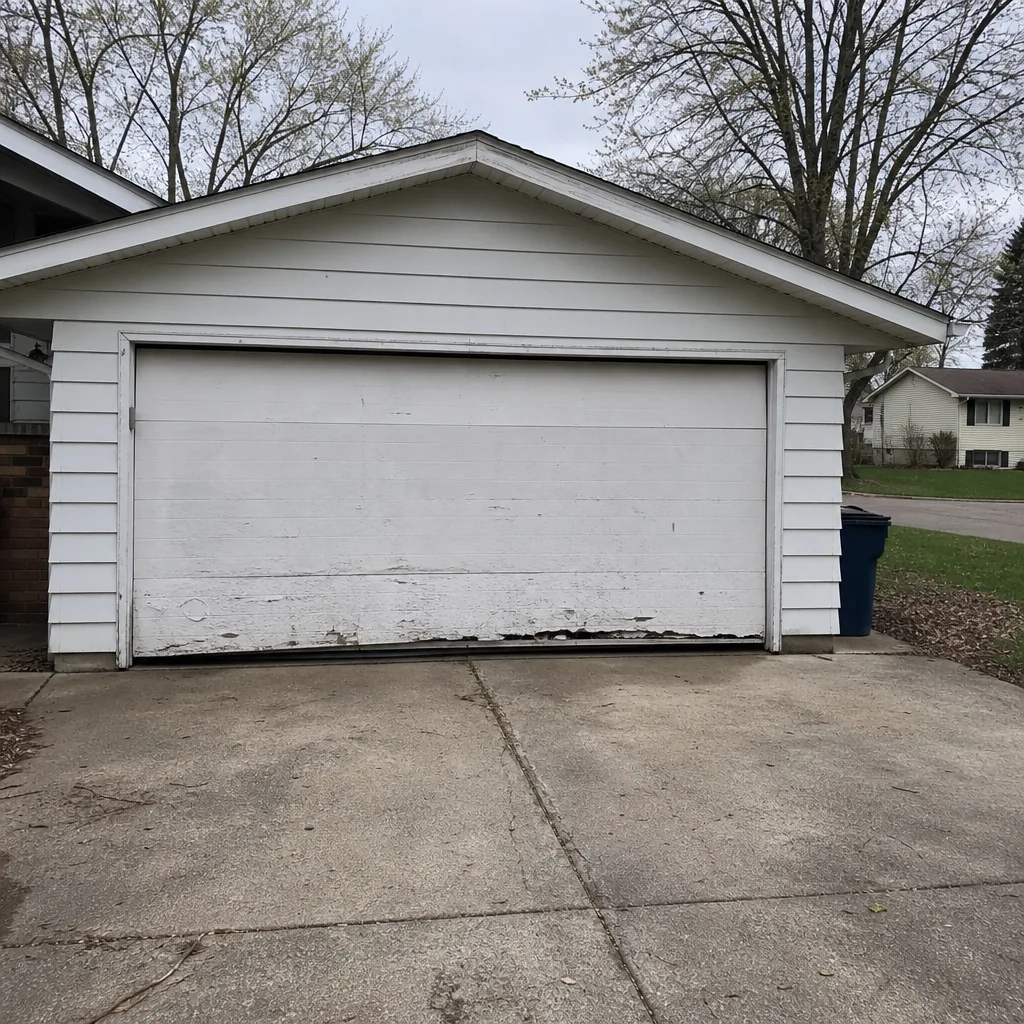 Before
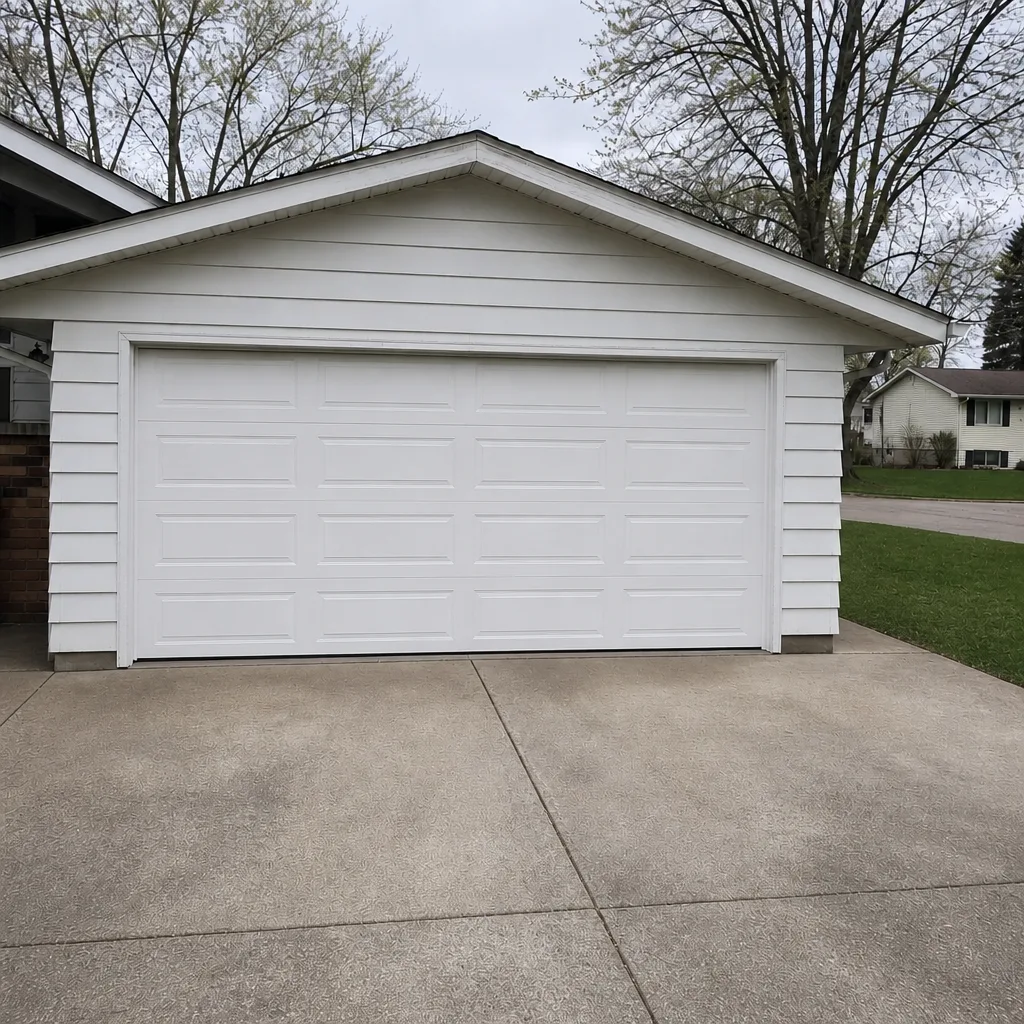 After
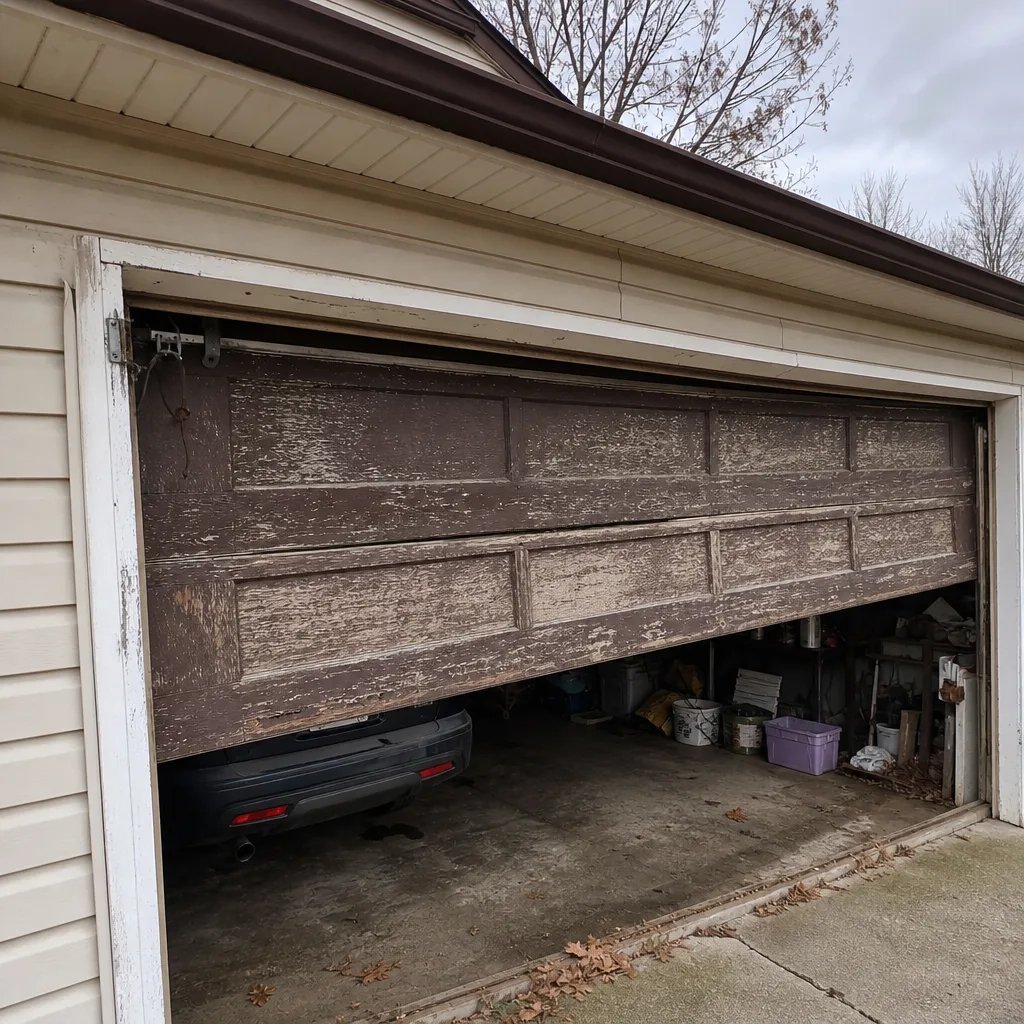 Before
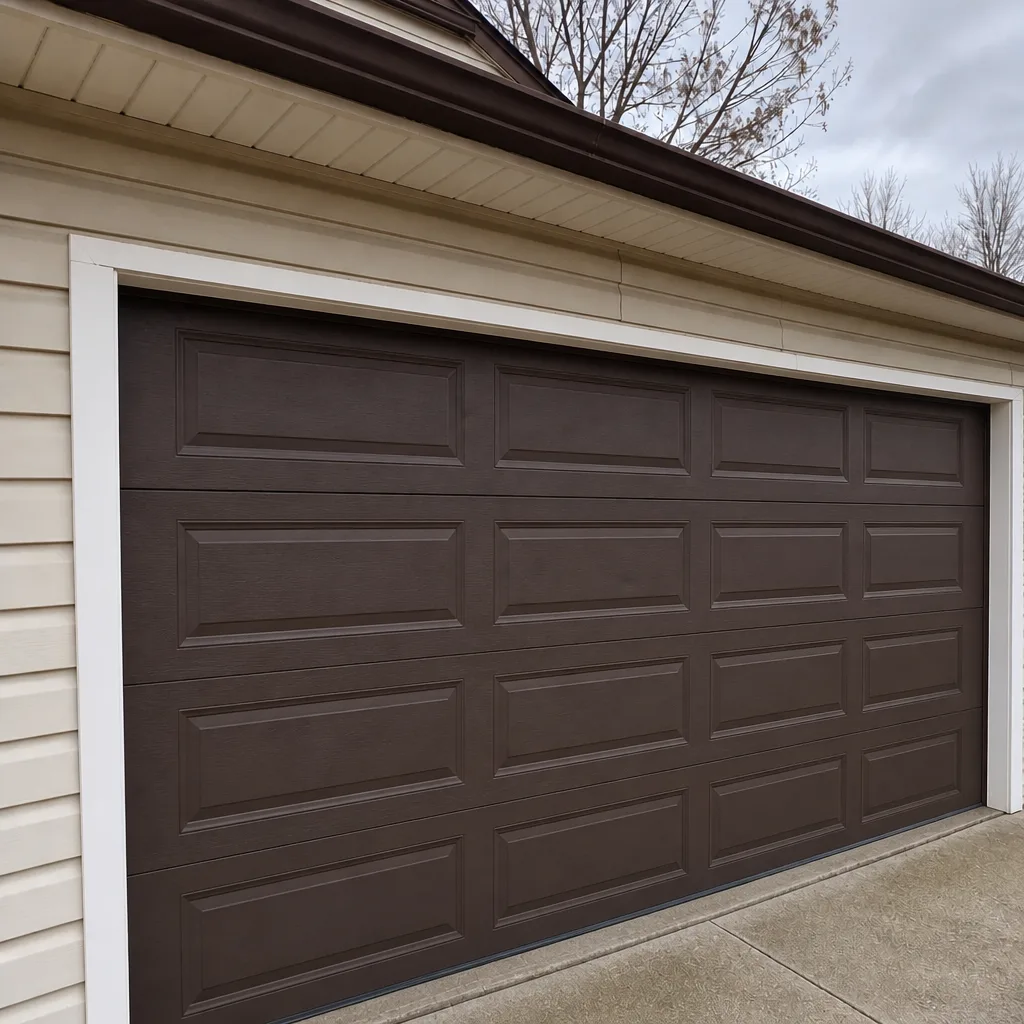 After
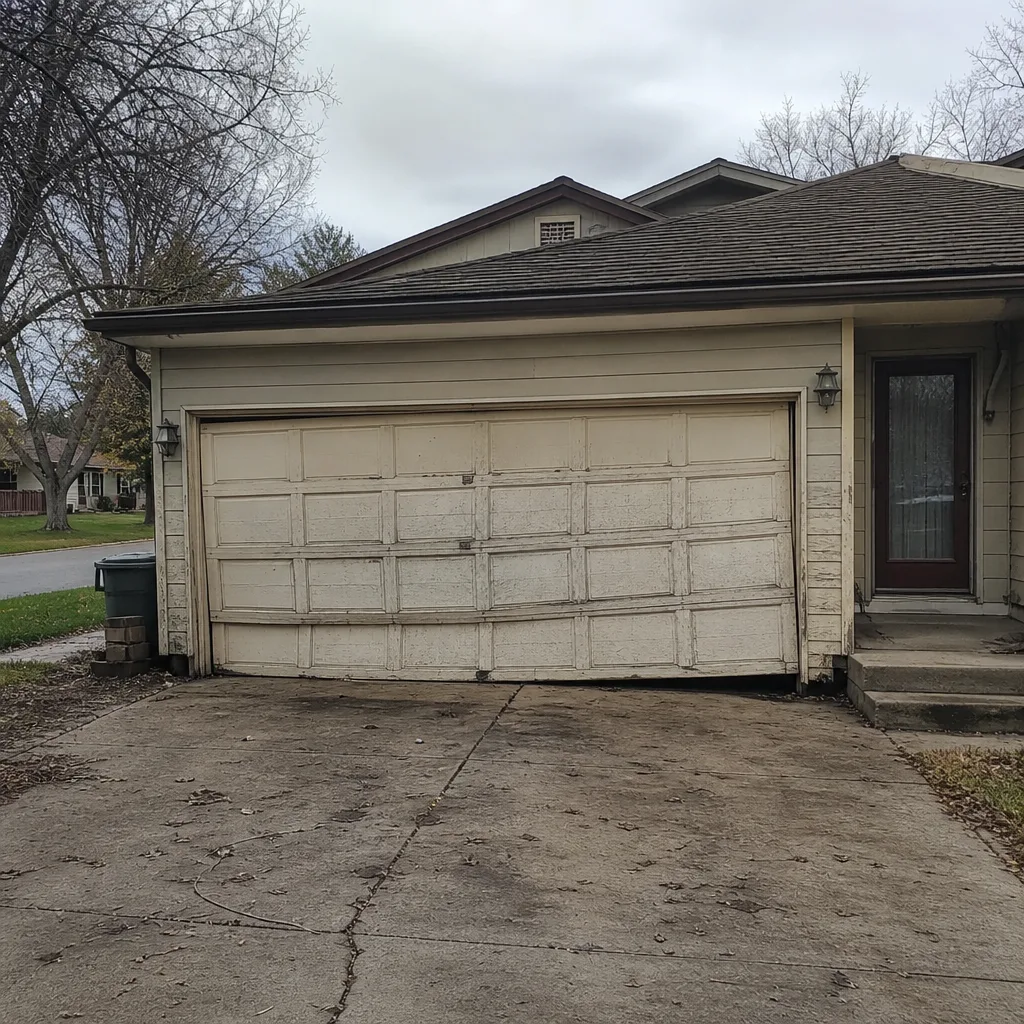 Before
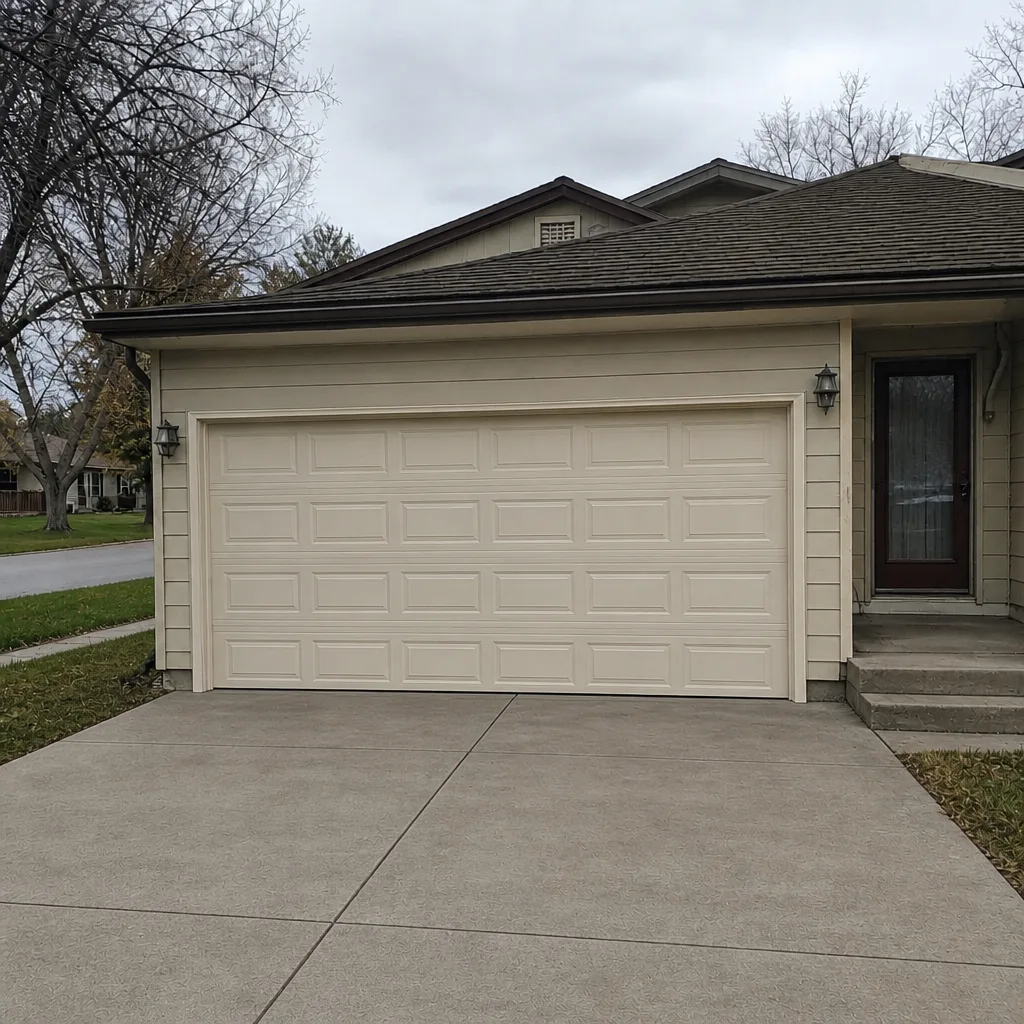 After
When to Call a Professional
Call a professional for anything involving a spring, a cable, an opener motor, or a door that’s no longer moving safely under its own control. If the door drops when you pull it halfway down, lean on a call rather than a tutorial. If a garage door is stuck open and won’t close, that’s an access and security situation and deserves a same-day response; we treat it that way. If you’ve already made a DIY attempt and something still isn’t right – a noise, a delay, an uneven close – the sooner a trained technician looks at it, the smaller the eventual correction usually is. For anything in the middle tier where you’re not sure, don’t guess. Better to ask a specific question than to make an assumption with structural consequences.
Eagan Garage Door Repair offers free estimates in Eagan – call (844) 643-4886. We’ll tell you honestly if your project is one of the ones you can safely do yourself.
Frequently Asked Questions
Yes, and it’s the one job we’d steer any homeowner away from. The reason isn’t difficulty – it’s stored energy. A wound torsion spring can release with enough force to break a wrist or worse if a winding bar slips or a spring is miscalculated. Our technicians have up to 12 years of experience with this exact system, and even experienced techs treat the task with full safety protocol every single time. Call (844) 643-4886 if your spring has snapped or is making a loud bang – that’s not a job for a tutorial.
You can, but the safety reverse setting, the balance adjustment, and the ceiling mounting have to be done correctly or you’re creating a new safety issue. Any opener warranty claim will also likely be denied if the install wasn’t done by a licensed installer, and on LiftMaster and Chamberlain units the warranty terms are specific about that. Most homeowners do the smart math and have the install done, especially when the opener is garage-as-entry-point. Call for a free estimate and we’ll quote it as a job, not a project.
Lubricating tracks, hinges, and rollers; tightening hinge bolts; replacing the bottom weather seal and jamb seals; cleaning and aligning photo-eye sensors; changing remote batteries; and repainting steel or wood panels are all safe DIY tasks. They don’t touch the spring, cable, or opener electronics. Top of that list is staying ahead of winter weather – the freeze-thaw cycle in Eagan wears through seal material faster than most homeowners expect, so a fall seal check is worth the ten minutes.
It can, and it’s the hidden cost we see most often. Opener warranties from LiftMaster, Chamberlain, Genie, and every other major brand typically include clauses that void coverage if the housing is opened by unauthorized hands. Door warranties also often exclude damage caused by improper installation or non-manufacturer parts. Read your paperwork before you spend the afternoon on a DIY project, because the warranty exclusion usually applies whether or not the repair technically worked.
Typical professional repairs in the Eagan market range from $150 to $250 for a straightforward single-spring repair per spring, and a matched pair runs about twice that. Opener repairs typically start around $120 for diagnostic-plus-repair work, and roller and cable replacements fall in the $200 to $400 range depending on the door. That compares against a DIY parts cost of $40 to $120, but the gap shrinks fast once you factor tools, warranty risk, and the chance of a second attempt. The price is always quoted and agreed before any work starts, so you’ll know the exact number before anyone picks up a tool. Call (844) 643-4886 to get an exact number.
Yes, and it’s the right call. A door that’s stuck open is an access and security problem, and a door that’s stuck closed with a car inside is an access problem that gets urgent fast. Emergency service is a confirmed offering for those situations. We don’t promise a specific response time, but a stuck door gets booked as a priority over routine maintenance, and same-day service is standard for the situations that warrant it. Call (844) 643-4886 and describe what the door is doing.
The Bottom Line
The DIY vs professional question on a garage door comes down to risk, not skill. Lubrication, seals, sensors, remotes, and inspection are safe territory. Panel replacement and roller swaps land in a middle zone where tools and patience decide the outcome. Springs, cables, and opener internals are professional work – not because homeowners can’t learn, but because the failure mode is disproportionate to any money saved. Keep a written price before anyone picks up a tool, keep your annual walk-around going, and call us when you’re not sure which side of the line a project sits on. In Eagan, our garage door repair team is happy to answer that question even when the answer is “you can do that one yourself.”
For a free estimate on any garage door work, call Eagan Garage Door Repair at (844) 643-4886. We work on the major brands – LiftMaster, Chamberlain, Genie, Clopay, Amarr, Wayne Dalton, Craftsman, Raynor – and we’ll tell you straight whether your project is worth doing yourself.
Written by the team at Eagan Garage Door Repair.