Last updated November 21, 2026
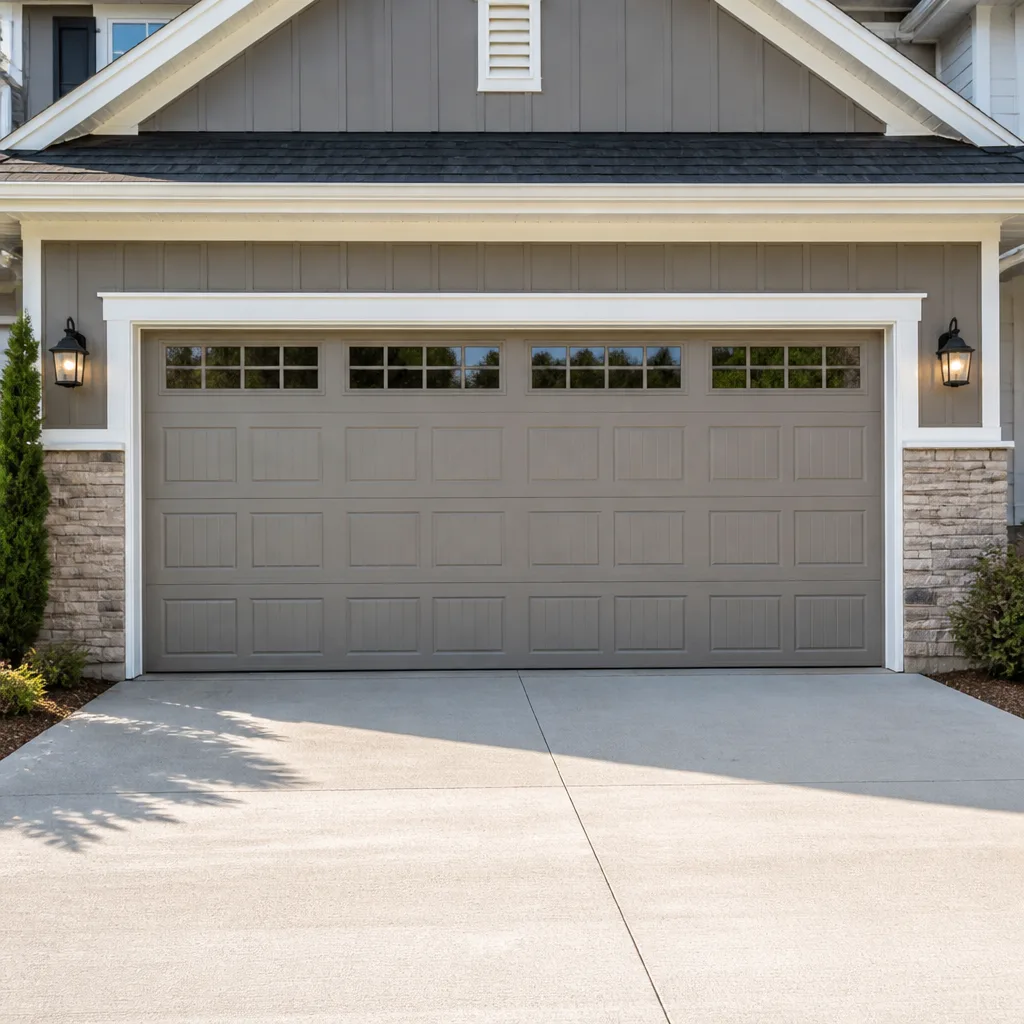 Raised-panel steel
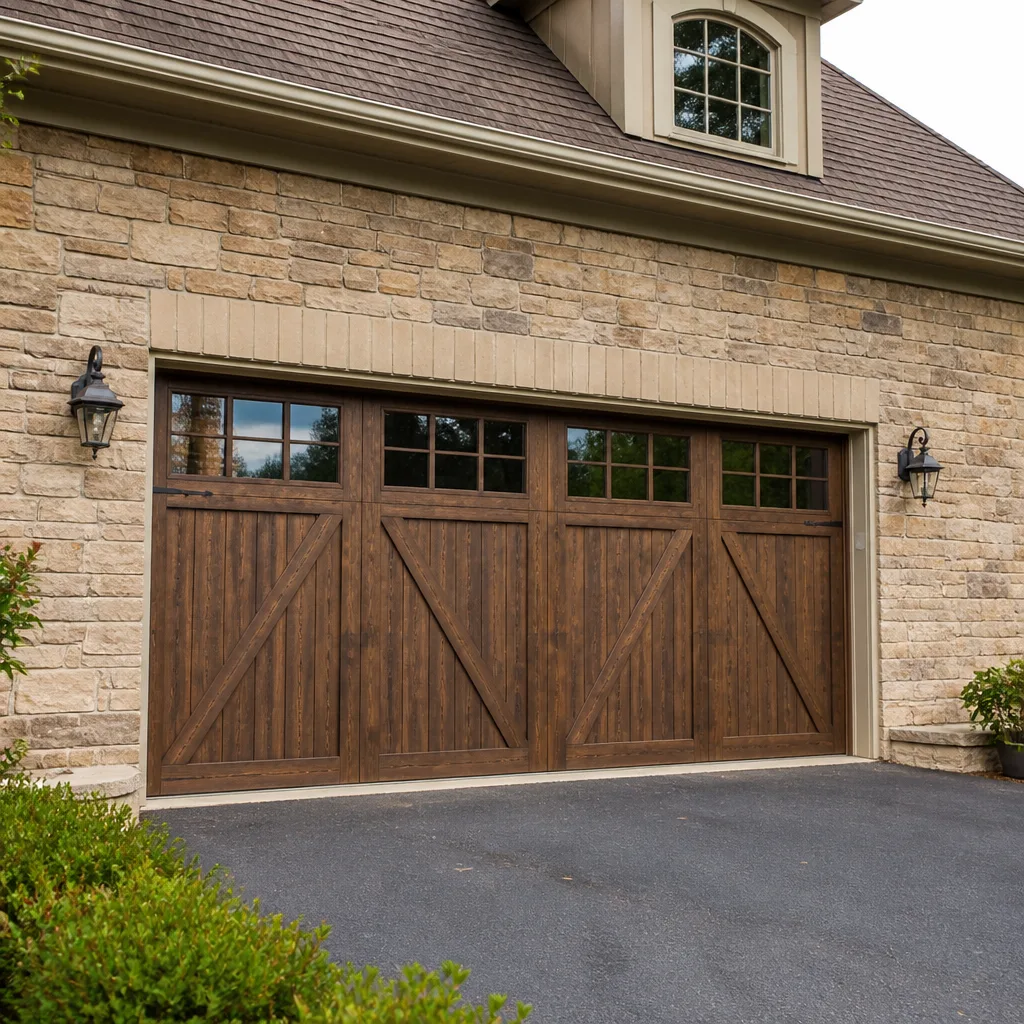 Carriage house
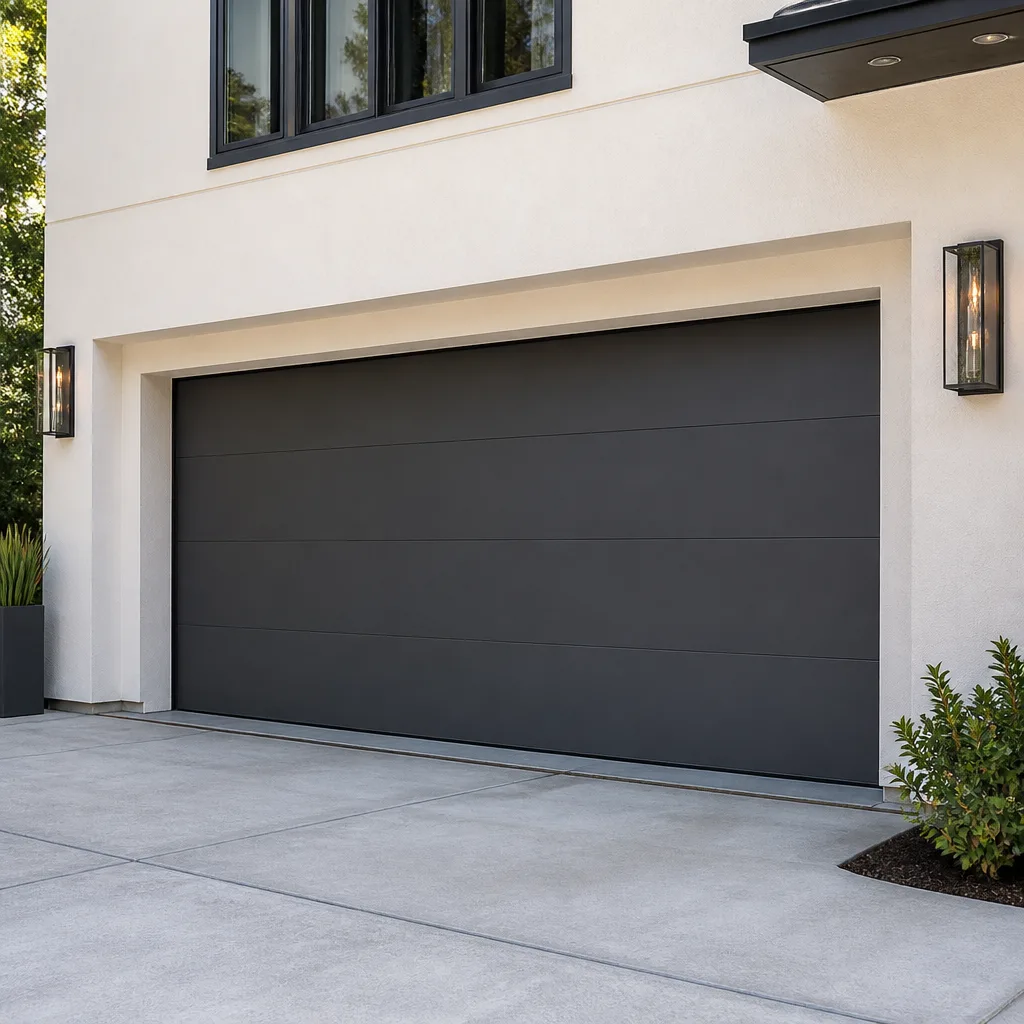 Modern flush
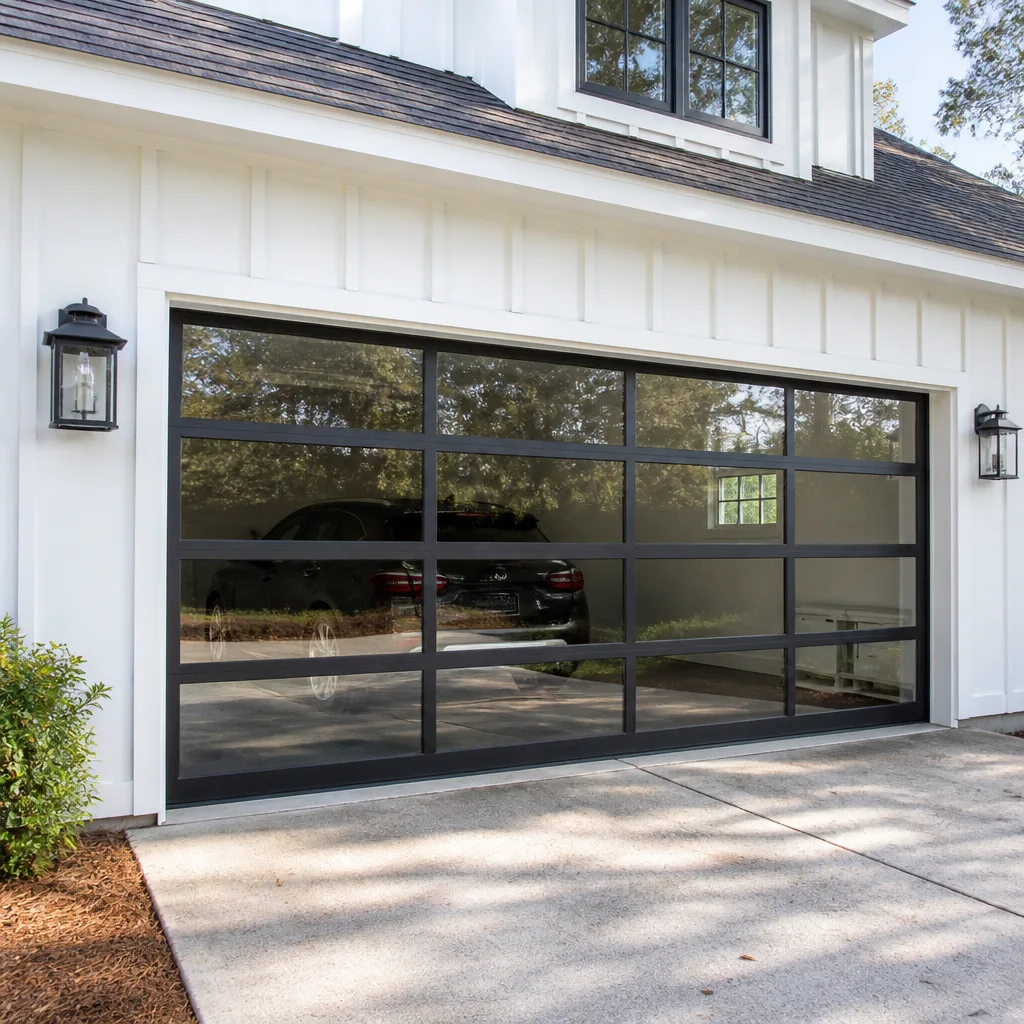 Full-view glass
 LiftMaster openers
 Chamberlain openers
Full 25-point door and opener safety check with every visit - springs, cables, rollers, tracks, and your LiftMaster or Chamberlain opener included
You get a price before we start. It does not change when the pro arrives.
Get your free estimateSeasonal Garage Door Care for Eagan: Year-Round Homeowner’s Guide
Most homeowners treat garage door maintenance as one chore, done once, whenever they remember it. That’s the mistake. In Eagan, your door doesn’t face one set of conditions, it faces four distinctly different ones a year. The stress that wears out a torsion spring in July is nothing like the stress that freezes a bottom seal to the concrete in January, and a door cared for the same way all twelve months tends to fail years earlier than it should. The single highest-value window of the whole year is the six weeks before freeze-up in late October. Get two tasks done then and the door runs reliably all winter. Miss them and January becomes the month you’re calling for help along with everyone else. This guide maps each Eagan season to the failure it tends to trigger, and the exact action that prevents it.
Quick Answer
Seasonal garage door care in Eagan comes down to four moves: a pre-freeze lubrication and balance check in late October, careful handling of a door frozen to the floor in winter, a post-thaw inspection of tracks, rust and seals in spring, and attention to opener and spring heat stress in summer. Add a twice-a-year travel-limit adjustment for steel panel expansion and you’ve covered the cycle. Do those things and your door spends far less time in the repair column.
Styles & brands we work with
- Raised-panel steel
- Carriage house
- Modern flush
- Full-view glass
- LiftMaster openers
- Chamberlain openers
Table of Contents
- Fall: The Pre-Freeze Protocol That Sets Up Your Winter
- Winter: Frozen Doors, Cold Starts and Opener Strain
- Spring: The Post-Thaw Inspection Sequence
- Summer: Heat, Springs and Opener Logic Boards
- Year-Round: Dialing In Travel Limits for Steel Expansion
- Your Eagan Garage Door Seasonal Calendar
- Common Mistakes to Avoid
- When to Call a Professional
Fall: The Pre-Freeze Protocol That Sets Up Your Winter
If you do nothing else for your garage door all year, do this. The six weeks before Eagan’s first hard freeze are the highest-leverage maintenance window on the calendar. Two tasks done in that period decide whether the door glides through winter or starts grinding in January, when every homeowner in the Twin Cities is calling at once and scheduling gets tight.
Task one is lubrication, and it matters which product type you use, not which brand. Here’s the rule that trips people up:
- Use a silicone-based or lithium-complex grease on the hinges, rollers and bearing plates. These hold their film at temperatures well below -20°F, which is what you need when a February cold snap rolls through Dakota County.
- Skip standard all-purpose oils and thin spray lubricants. Below about -20°F they thicken or gum up, and a stiff roller is exactly what makes an opener strain on a cold morning.
- Never grease the tracks. Tracks stay dry. Grease on a track collects grit and turns into a paste that slows the door down.
- Wipe and re-apply on the torsion spring coils lightly – a thin film reduces coil friction and keeps rust from starting on the wire.
Task two is a balance check. Disconnect the opener (pull the release cord) and lift the door halfway by hand. It should stay put. If it drops or rises on its own, the spring tension is off and winter cold will only make it worse. This is also the moment to look at the weather seal along the bottom and the threshold. A seal that’s already cracked or flattened won’t survive months of freeze-thaw cycling.
Based in Eagan and writing this every year, we’ve watched enough fall seasons to know the doors that get this six-week treatment spend the winter quiet, and the ones that don’t spend it groaning. If your October check turns up a balance problem or a worn spring, the smart move is to address it now rather than on a zero-degree morning. A proper garage door spring repair visit before freeze-up beats an emergency one after.
Winter: Frozen Doors, Cold Starts and Opener Strain
Winter in Eagan tests the door in ways the other seasons don’t. The ground freezes and heaves, the bottom seal bonds to the concrete, and the opener has to work against cold-stiffened grease and metal that has contracted. Two specific problems cause most winter failures, and both have a right and a wrong way to handle them.
A door frozen to the floor
This happens when meltwater runs under the bottom seal and refreezes overnight. The instinct is to hit the opener and let the motor rip it free. Don’t. That’s how you snap a bottom section, strip the opener gear or tear the seal. Handle it this way:
- Pull the emergency release cord to disconnect the opener from the door.
- Break the ice bond by working a plastic scraper or a blunt tool gently under the bottom seal, along the width of the door. Never use a metal shovel or pry bar against the panel.
- Lift the door by hand once the seal is free, then reconnect the opener.
- Clear snow and ice from the threshold and the apron in front of the door, and check that the concrete hasn’t heaved up against the seal.
If a door breaks free but the bottom section cracks during the process, that’s a garage door repair call, not a wait-and-see. A cracked section can let in snow and compromise the door’s strength.
Opener strain at cold temperatures
Down around 20°F and colder, the grease in hinges and rollers thickens and the opener works harder to move the same weight. Around -10°F to -15°F, that added strain starts to do real damage to the opener motor and gear assembly if the door isn’t well lubricated. The tell is a door that moves sluggishly or an opener that sounds labored on the first cycle of the morning. If that’s happening, an October lubrication missed its mark, and it’s worth having the opener checked before the motor takes the abuse. Our garage door opener repair service covers exactly this kind of cold-weather strain on Genie, LiftMaster, Chamberlain and other systems.
One more winter note: keep the area around the base of the door clear. Ice dams and drifted snow against the seal accelerate the freeze-to-floor problem through the whole season.
Spring: The Post-Thaw Inspection Sequence
By the time the snow is gone in Eagan, your door has been through months of cold cycling, and spring is when the damage shows up. The thaw reveals three things worth a close look, and the order you check them in matters. Run this sequence in April, once the ground has settled.
- Check for rust on the hinges, rollers, spring coils and bottom bracket. Cold-season condensation plus spring melt is a rust setup. Light surface rust on hinges can be cleaned and re-lubricated. Rust creeping into the spring wire or the brackets is a professional concern.
- Inspect the tracks for shift and misalignment. Frost heave moves the ground under the door, and that can throw track alignment off. Look down the length of each vertical track for a bow or a gap between the track and the door edge. Look at the horizontal tracks for sag.
- Examine the weather seal for compression failure. Months of being pressed against frozen concrete flattens a bottom seal and hardens the rubber. A seal that no longer springs back, or shows cracks, won’t keep out water or insects come summer. This is one of the cheapest replacements and one of the most overlooked.
- Re-test the balance. Disconnect the opener and lift the door halfway. If it doesn’t hold, spring tension has drifted through the winter and needs attention.
Spring is also when homeowners in neighborhoods like Cedar Grove and Wescott start noticing their door is louder than it was in fall. That’s often a combination of dried-out lubricant and slightly misaligned tracks, both fixable. If the balance test fails or the springs look corroded, don’t put it off. Spring repair is the highest-risk work on a garage door, and it’s not a job to tackle on a Saturday afternoon. Garage door spring repair handled by a trained technician is the safe path.
Summer: Heat, Springs and Opener Logic Boards
Here’s the counterintuitive part: summer is when garage door springs most often break, and homeowners usually call it a mystery. It isn’t one. A torsion spring is a coil of steel under tension, and heat expands and relaxes that steel. Through July and August, the door cycles every day and the spring works through thousands of small expansions and contractions. When a spring finally gives, it’s usually been weakening all season and the heat is the last straw. That’s why an August spring failure can catch a homeowner completely off guard after a quiet spring.
There’s not much you can do to stop heat stress on a spring, but you can catch a failing spring before it breaks. Watch for a door that’s harder to lift, one that slams down faster than usual when closed, or a visible gap between coils. If you see any of those, get the spring looked at before it snaps.
Summer is also tough on the opener’s electronics. The logic board inside the opener motor housing runs hot in a garage that bakes all afternoon, and heat plus humidity can shorten the life of the board and cause intermittent behavior, like the door reversing for no reason or the remote needing a second press. Three things help:
- Keep the opener housing clear of stored items so air can move around it.
- Ventilate the garage when you can, especially in the hottest weeks.
- Watch for erratic cycles and have them diagnosed before they turn into a dead opener.
If your opener is starting to act up in the heat, our garage door opener repair team works on LiftMaster, Chamberlain, Genie, Craftsman, Raynor and more, so the diagnosis fits the actual equipment, not a guess based on what’s on hand.
Year-Round: Dialing In Travel Limits for Steel Expansion
Steel panels expand in summer heat and contract in winter cold, and that movement throws off the opener’s travel limits twice a year whether you notice it or not. The travel limit is the setting that tells the opener how far to raise and lower the door. When panels expand, the door can start to close a little too firmly or stop just shy of the floor. When they contract in cold, the door may not seat fully, leaving a sliver of a gap at the bottom.
Two adjustments a year keeps this in check: one in late fall, when the door has contracted, and one in late spring, as the weather warms. On most openers, the travel limit is set with a screw or a pair of buttons on the motor housing, and the goal is simple:
- The door closes fully against the floor without the opener continuing to push after contact.
- The door opens fully without the trolley hitting the stop with force.
- Neither limit is so loose that the safety reverse fails to trigger on contact with an object.
Most manufacturers, including Clopay, Amarr and Wayne Dalton, note the door should be inspected and its opener settings checked at least twice a year. If you’re not comfortable adjusting travel limits, or the door keeps drifting between adjustments, that’s the moment to have a technician look at it. Getting the settings right in each season is what stops the repeated small stresses from adding up to an early failure.
One thing worth knowing: on Eagan’s steel-panel doors, the panels aren’t the only thing moving. The tracks and frame move slightly with temperature too, so if the door suddenly tracks a little off in late summer and then corrects itself in winter, that’s usually the steel, not damage. Adjust the limits to match, and don’t force anything.
Your Eagan Garage Door Seasonal Calendar
Here’s the whole cycle on one page. Print it, stick it on the inside of the garage wall, and work through it as the seasons turn.
- Late October (the key window): Lubricate hinges, rollers and bearings with a low-temperature silicone or lithium-complex product. Balance-test the door. Check the bottom seal and threshold. Adjust travel limits for the contracted steel.
- Winter (December through March): Keep snow and ice clear of the threshold. Never force a frozen door with the opener. Watch for sluggish cycles and cold-weather opener strain. Call for help if the door stops moving cleanly.
- April: Post-thaw inspection. Check rust on hinges, coils and brackets. Inspect track alignment for frost-heave shift. Replace a compressed or cracked bottom seal. Re-test balance.
- Late spring (May): Adjust travel limits as the weather warms. Lubricate again if the door has dried out.
- Summer (June through August): Keep the opener housing clear and ventilated. Watch for a door that’s harder to lift or springs showing a coil gap. Address opener electronics that act up in the heat.
- Anytime: If the door is loud, uneven, or slow, get it looked at instead of living with it. Small problems compound through the seasons.
This schedule is written for Eagan’s specific climate, and it’s the same sequence we walk our own customers through. Our technicians have up to 12 years of experience with these cycles and with the equipment that lives through them.
See the difference
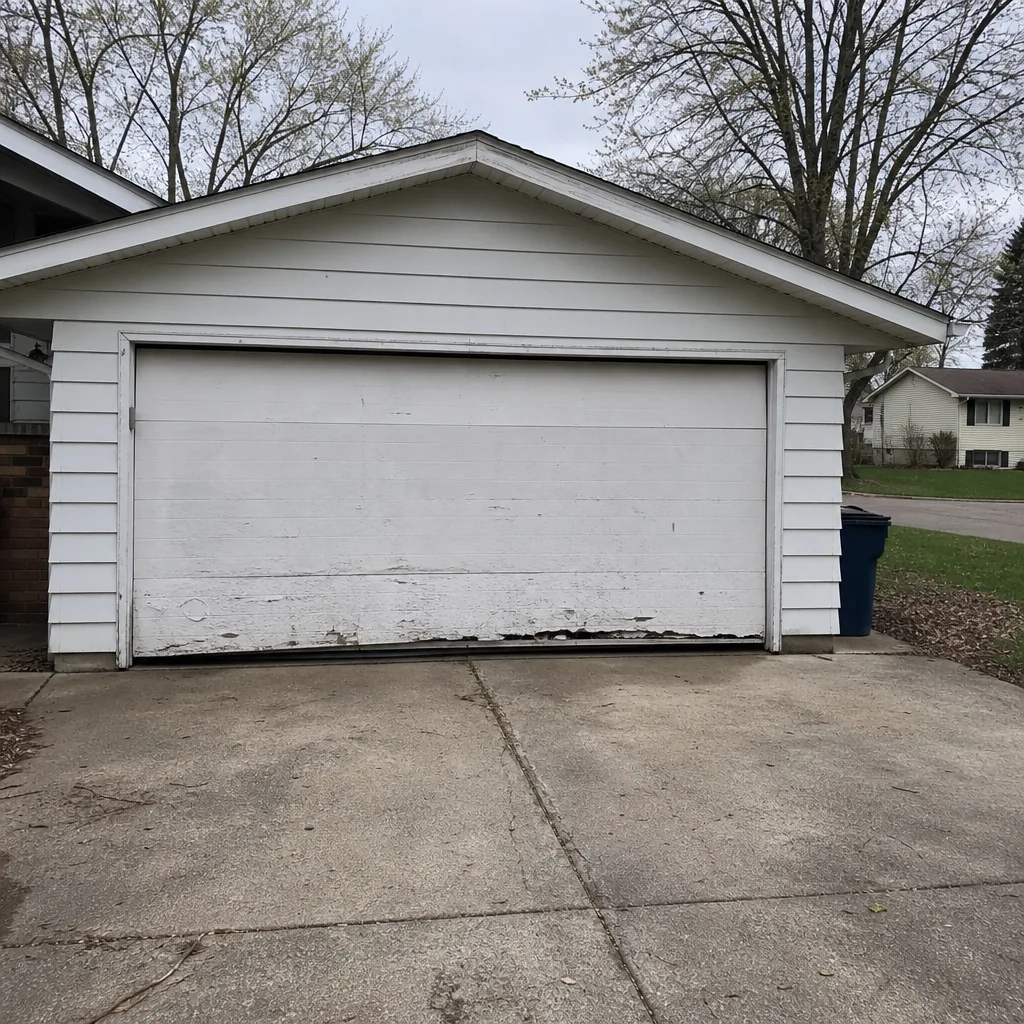 Before
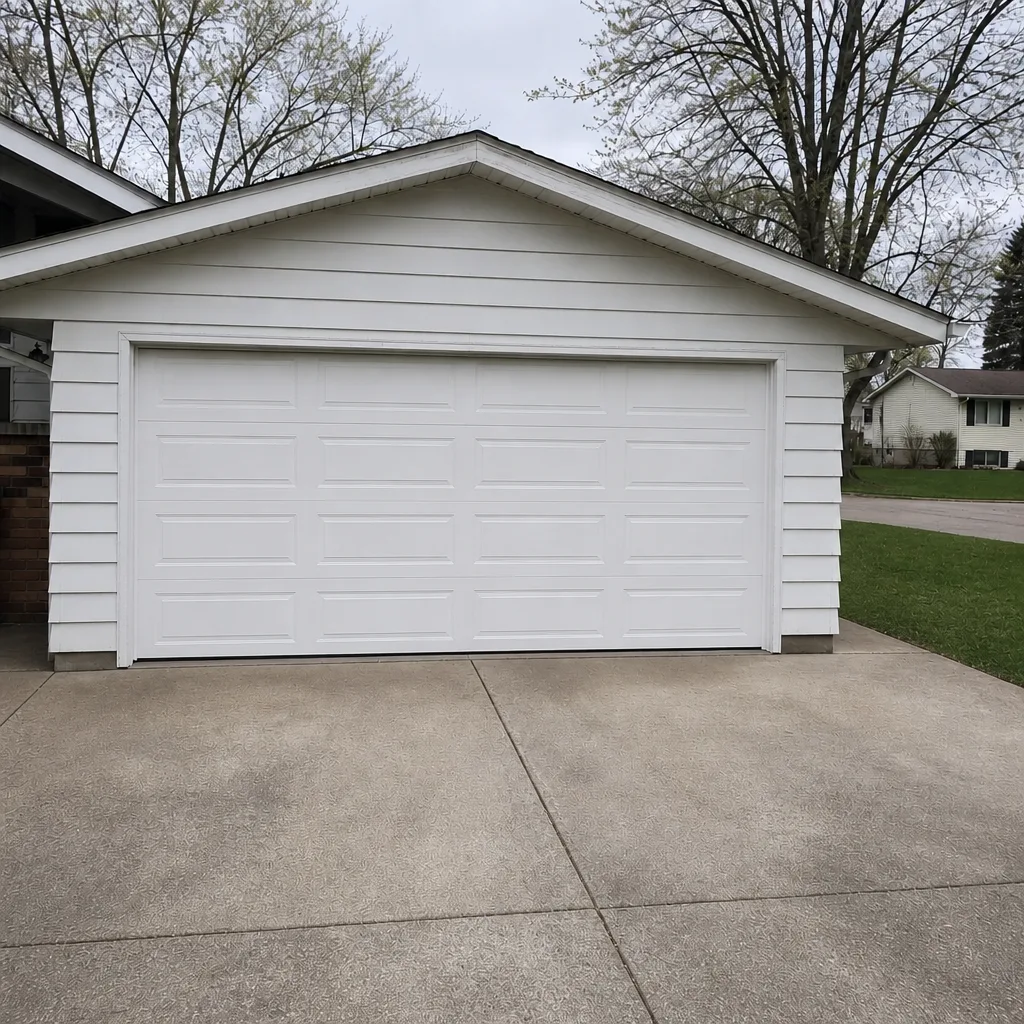 After
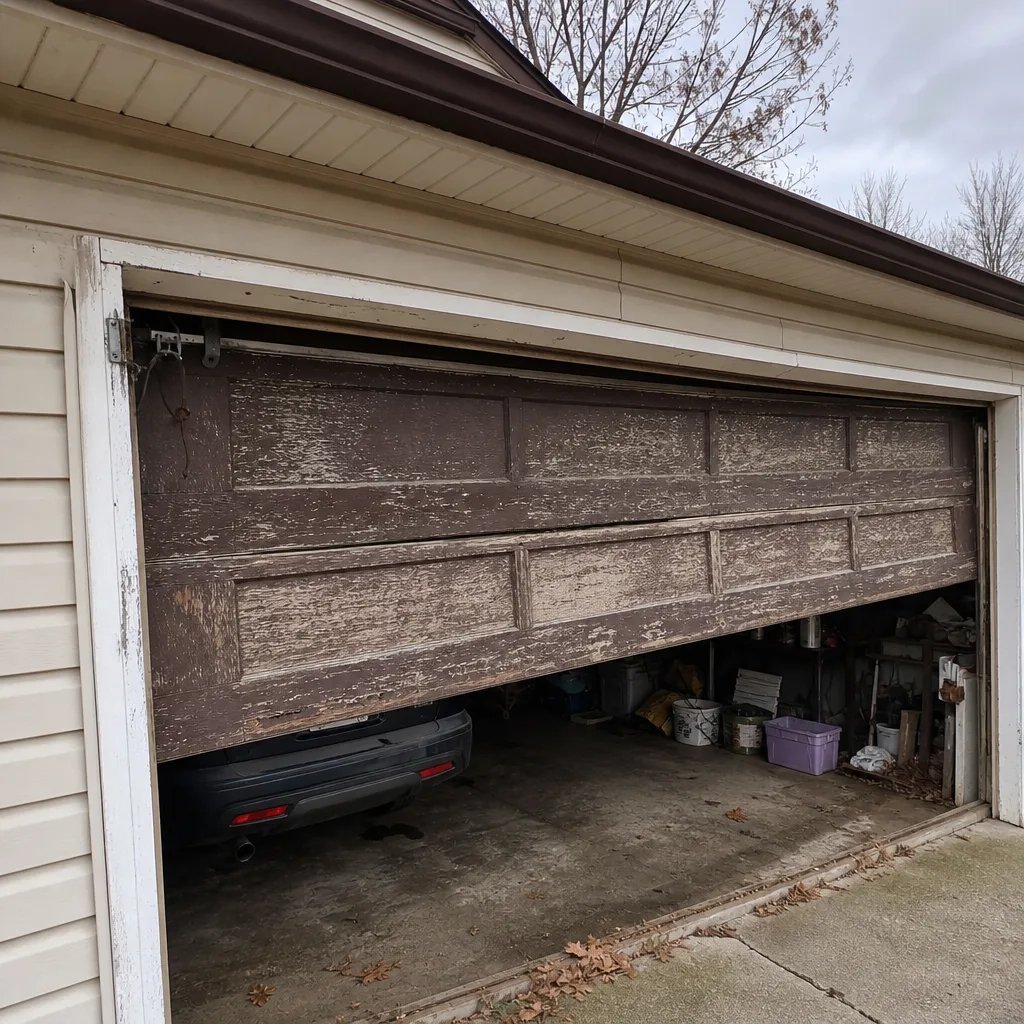 Before
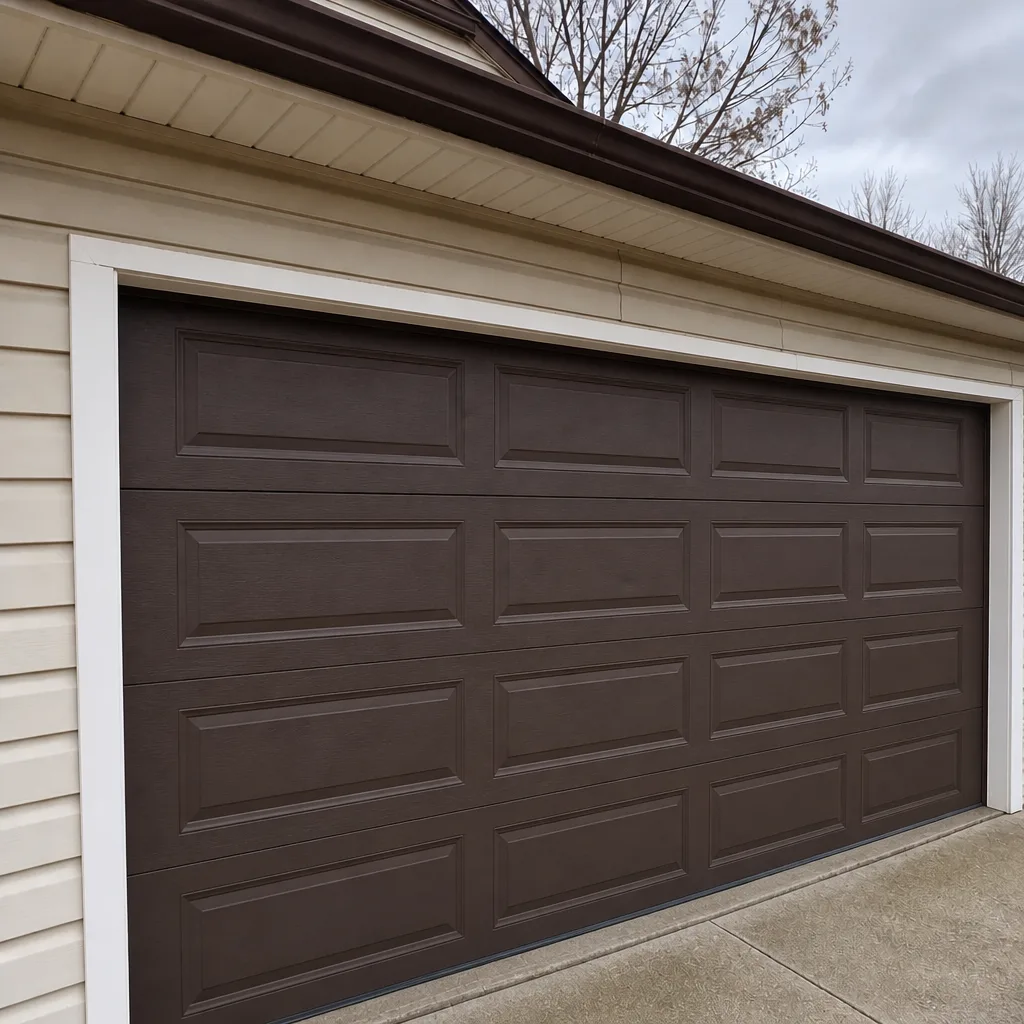 After
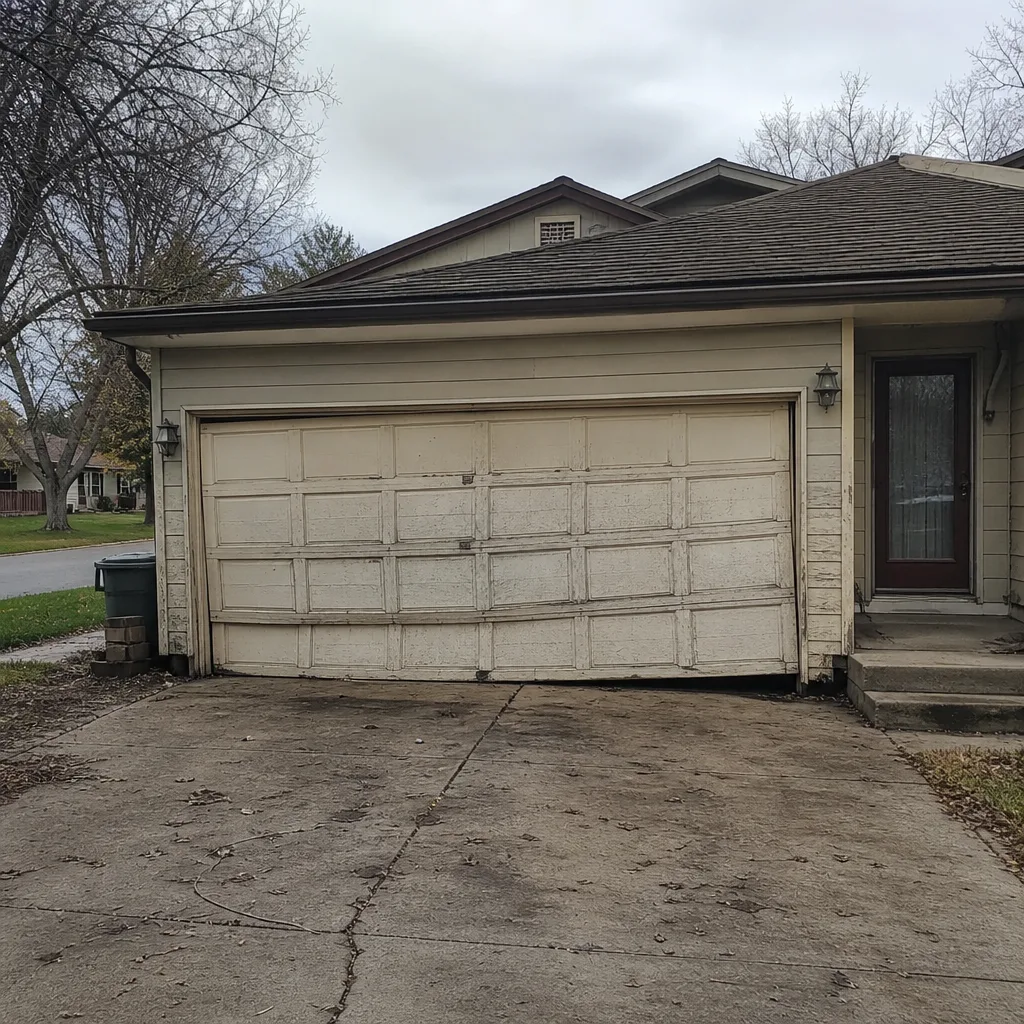 Before
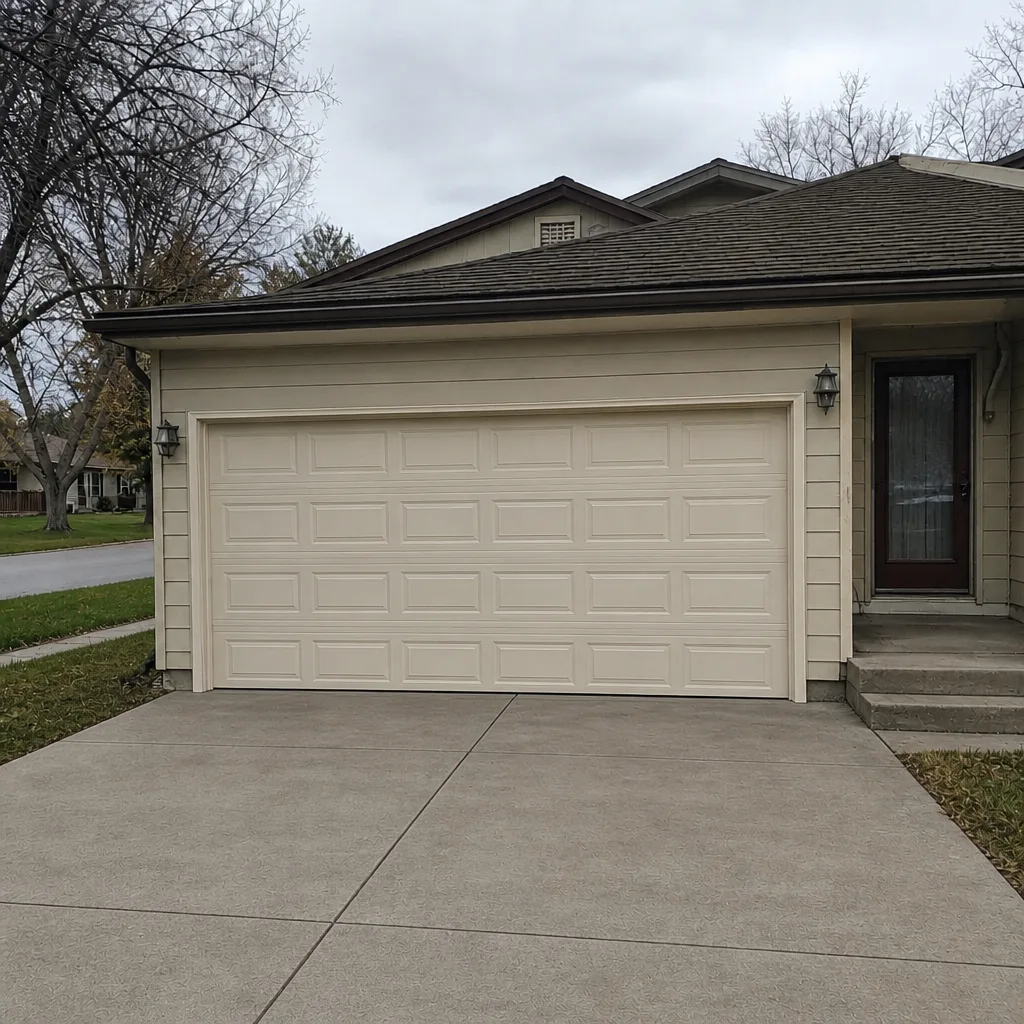 After
Common Mistakes to Avoid
- Using the wrong lubricant before freeze-up. A thin oil that works fine in July can gum up at -20°F and put extra strain on the opener. Match the product to the temperature range, not to whatever’s already in the garage.
- Forcing a frozen door with the motor. Letting the opener rip a door free from the floor is one of the fastest ways to crack a panel or strip the opener gear. Always disconnect and free the seal by hand first.
- Greasing the tracks. Tracks should stay clean and dry. Grease there collects grit and turns into a slow paste that wears rollers faster.
- Skipping the spring inspection after winter. A door that balanced in fall can drift through the cold months. The April balance test catches this before it becomes a snap in August.
- Adjusting travel limits without testing the safety reverse. If the limits are set too loose, the safety reverse may not trigger on contact. Always test it after any adjustment.
- Ignoring summer opener behavior. A remote that needs two presses in July is usually an early sign of a heat-stressed logic board, not a battery problem. Get it diagnosed before it dies.
- Putting off a cracked seal for another year. A worn bottom seal lets in water, snow and cold air all winter and is one of the cheapest fixes on the whole door. Replace it in spring.
When to Call a Professional
Some seasonal care is a homeowner job: lubricant, a balance test, clearing the threshold. Some of it isn’t, and it’s worth being honest about which is which. Call a professional when the balance test fails or you can see a gap in the spring coils, when a winter freeze has cracked or broken a section, when the tracks are bent or shifted so the door won’t run straight, when the opener labors or cycles erratically through two seasons, or when the door has stopped moving altogether and you can’t get it to open by hand. Springs and cables are under extreme tension and are genuinely dangerous to handle without the right training, so those always go to a technician. When any of these show up, don’t wait for the next season on the calendar. Eagan Garage Door Repair offers free estimates in Eagan. Call (844) 643-4886 and we’ll take a look, whether it’s a routine spring check or a door that’s stuck shut.
Frequently Asked Questions
Twice a year is the right rhythm: once in late October before the freeze, and once in late spring once the weather warms. The October application matters most because it carries the door through the coldest months. Use a low-temperature silicone or lithium-complex product on hinges, rollers and bearing plates, and never put grease on the tracks.
Around -10°F to -15°F is where cold-weather strain on the opener motor and gear assembly starts to become damaging if the door is poorly lubricated. Below that, grease thickens and the opener has to work against a stiffer door. If your door moves slowly on a cold morning, that’s a sign the lubrication has thinned out or dried. Call (844) 643-4886 for an exact quote on an inspection; estimates are free.
Disconnect the opener with the emergency release cord, then work gently under the bottom seal with a plastic scraper or blunt tool to break the ice bond. Lift the door by hand and reconnect. Never let the motor force a frozen door loose. If the section cracks during the process, that needs real repair, so call us at (844) 643-4886.
Heat expands and relaxes the steel in the spring, and a full summer of daily cycles works it through thousands of small expansions and contractions. A spring that’s been quietly weakening all season often gives way in the heat, which is why August surprises so many Eagan homeowners. Watch for a door that’s harder to lift or a visible gap in the coils, and get it looked at before it snaps.
Yes, if your door uses steel panels, which most Eagan doors do. Steel expands in summer and contracts in winter, and the travel limit setting goes out of adjustment twice a year as a result. One adjustment in late fall and one in late spring keeps the door closing flush without over-driving the opener. Test the safety reverse after every adjustment.
No. Garage door springs are under extreme tension and can cause serious injury if they release unexpectedly. This is the one part of garage door care that should always go to a trained technician. Our spring repair team handles this as a core service, not an add-on. Call (844) 643-4886 for a free estimate on spring work before a failing spring becomes a stuck door.
The Bottom Line
Your Eagan garage door has one maintenance window that matters more than the others, and it’s the six weeks before freeze-up in late October. Get the lubrication and the balance check done then and the door runs reliably through winter. Through the rest of the year, it’s about matching the care to the season: careful handling of frozen seals in winter, a rust and track inspection in spring, attention to heat stress on springs and openers in summer, and a twice-a-year travel-limit adjustment to keep up with the steel. Do those four things and you’ll spend far less time in the repair column. When something’s beyond a homeowner’s reach, especially anything involving the springs, call us. Our technicians have up to 12 years of experience, and we work on virtually every major door and opener brand, including LiftMaster, Chamberlain, Genie, Clopay, Amarr, Wayne Dalton, Craftsman and Raynor. One call covers it. Whether you need seasonal care advice or a Eagan Garage Door Repair visit today, call (844) 643-4886 for a free estimate and a clear plan for your door.
Written by the team at Eagan Garage Door Repair.