Last updated November 21, 2026
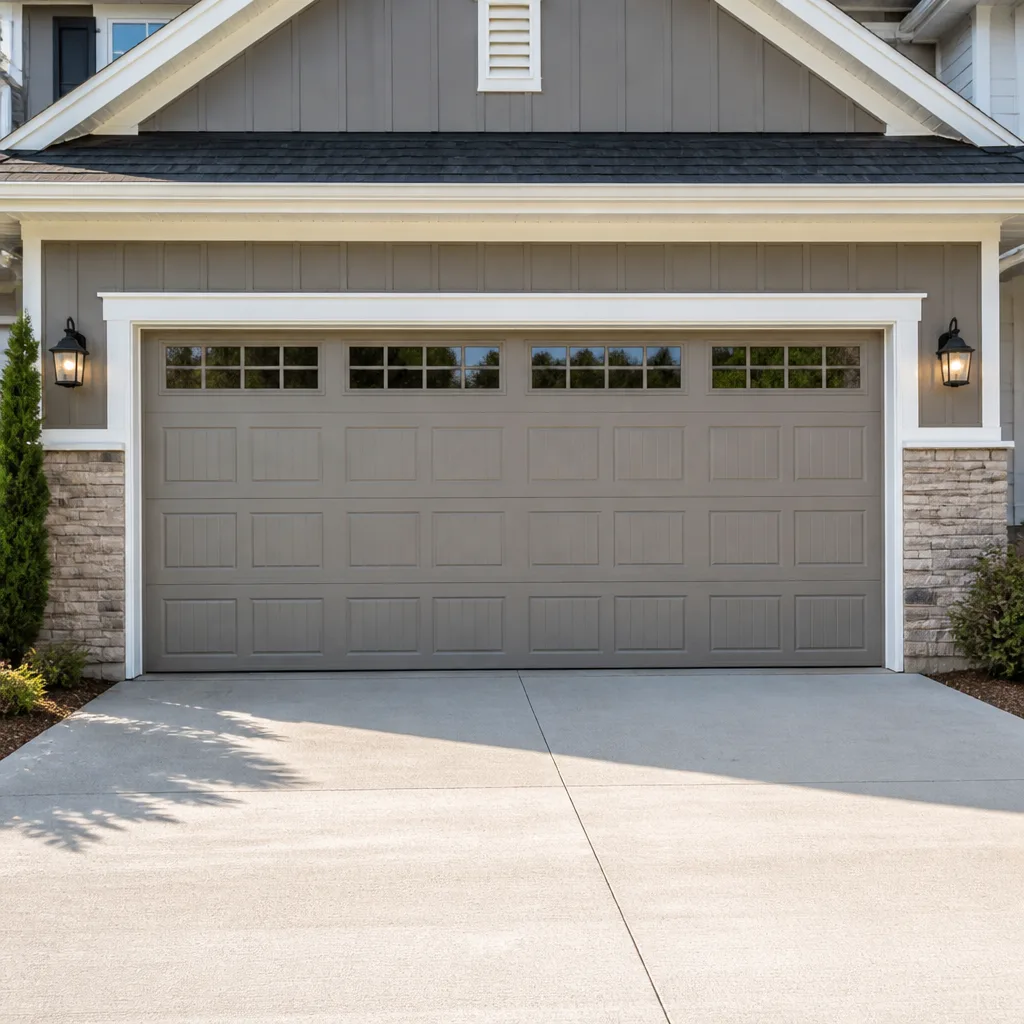 Raised-panel steel
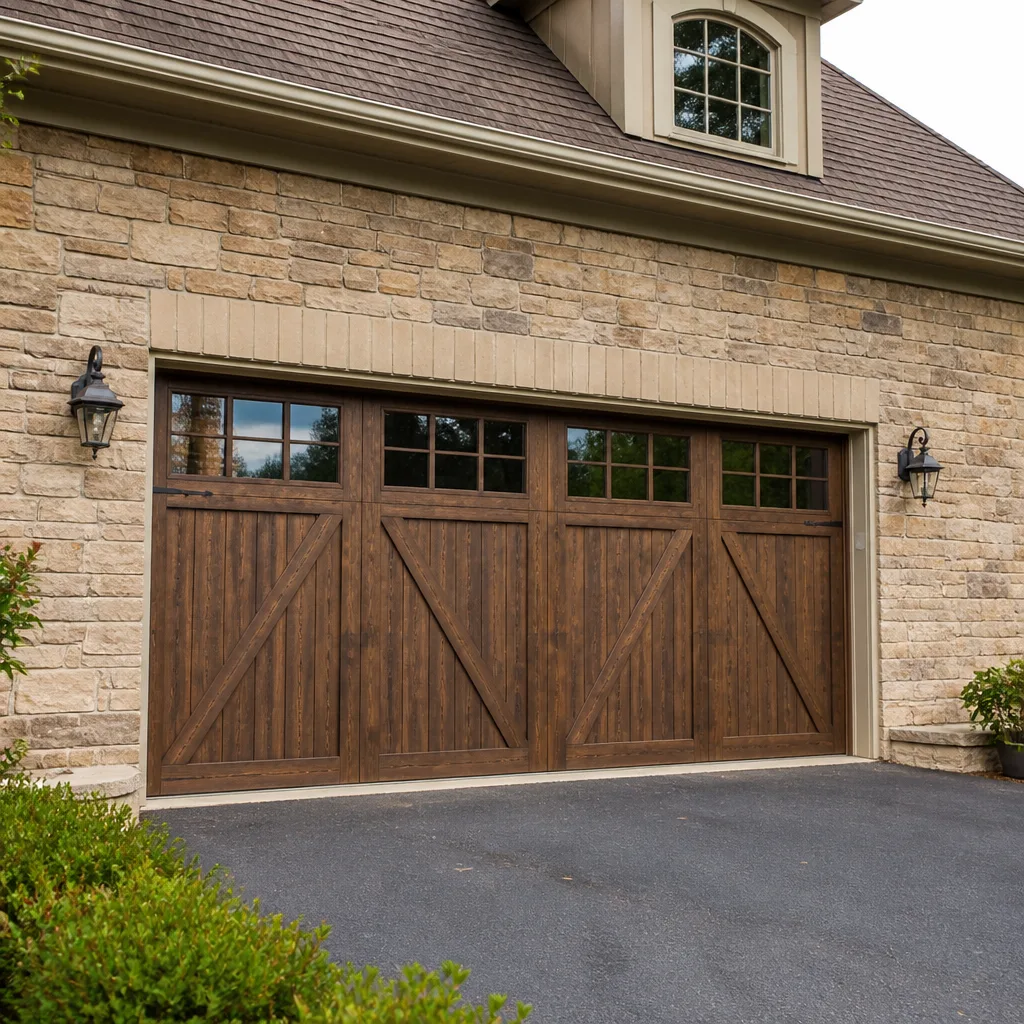 Carriage house
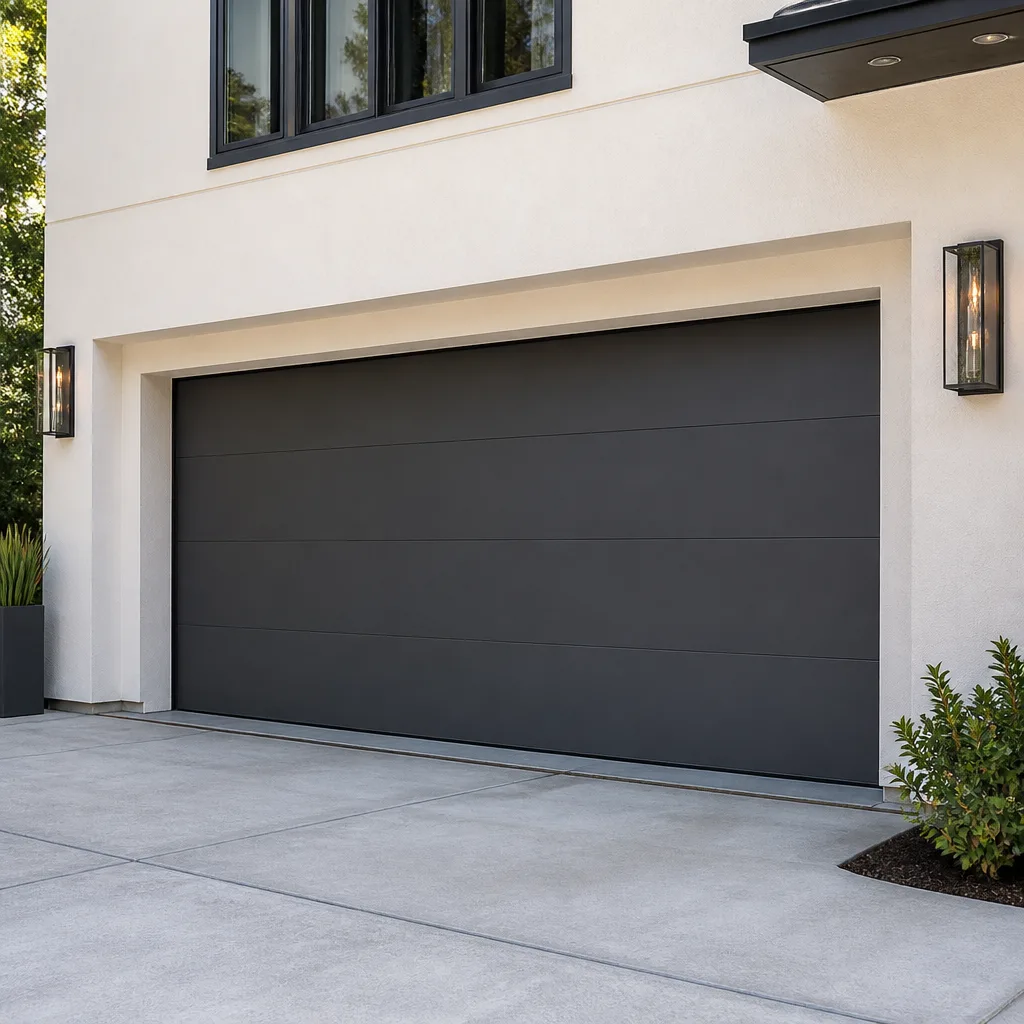 Modern flush
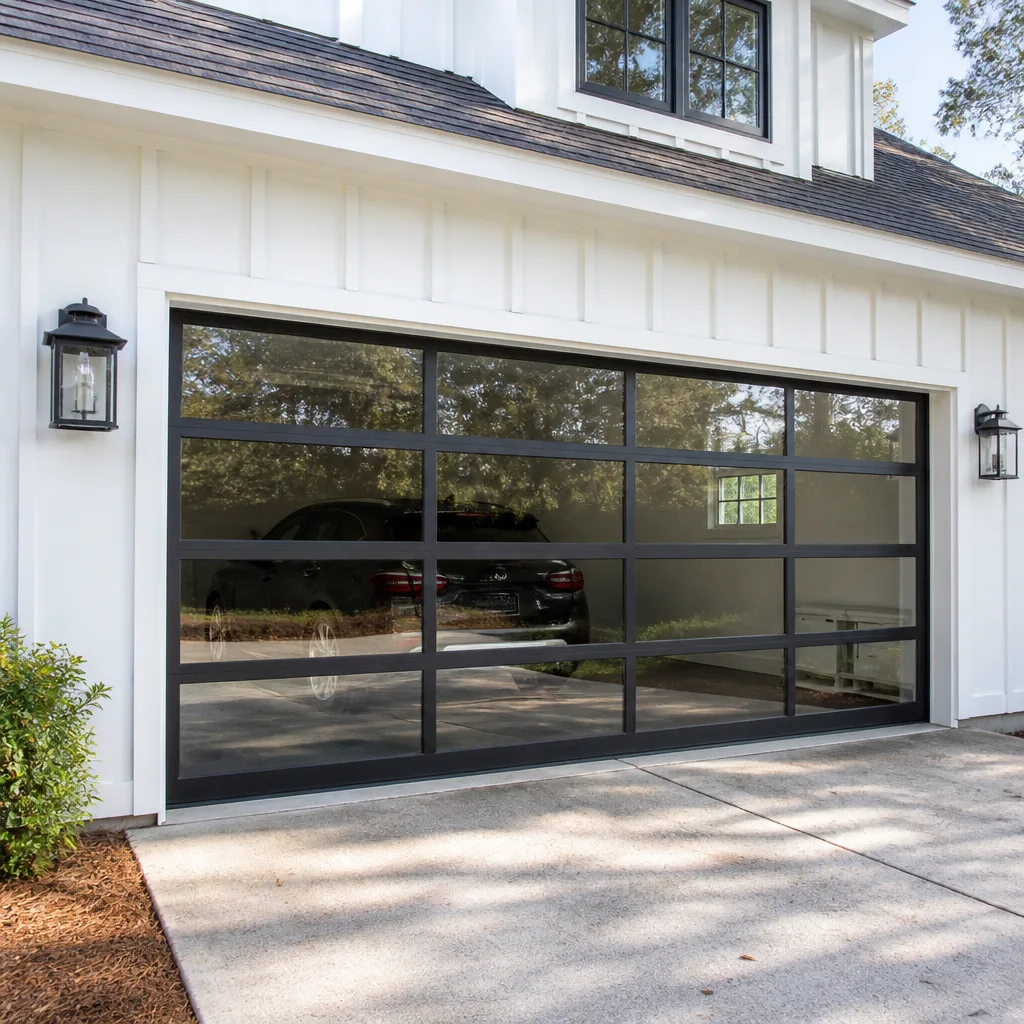 Full-view glass
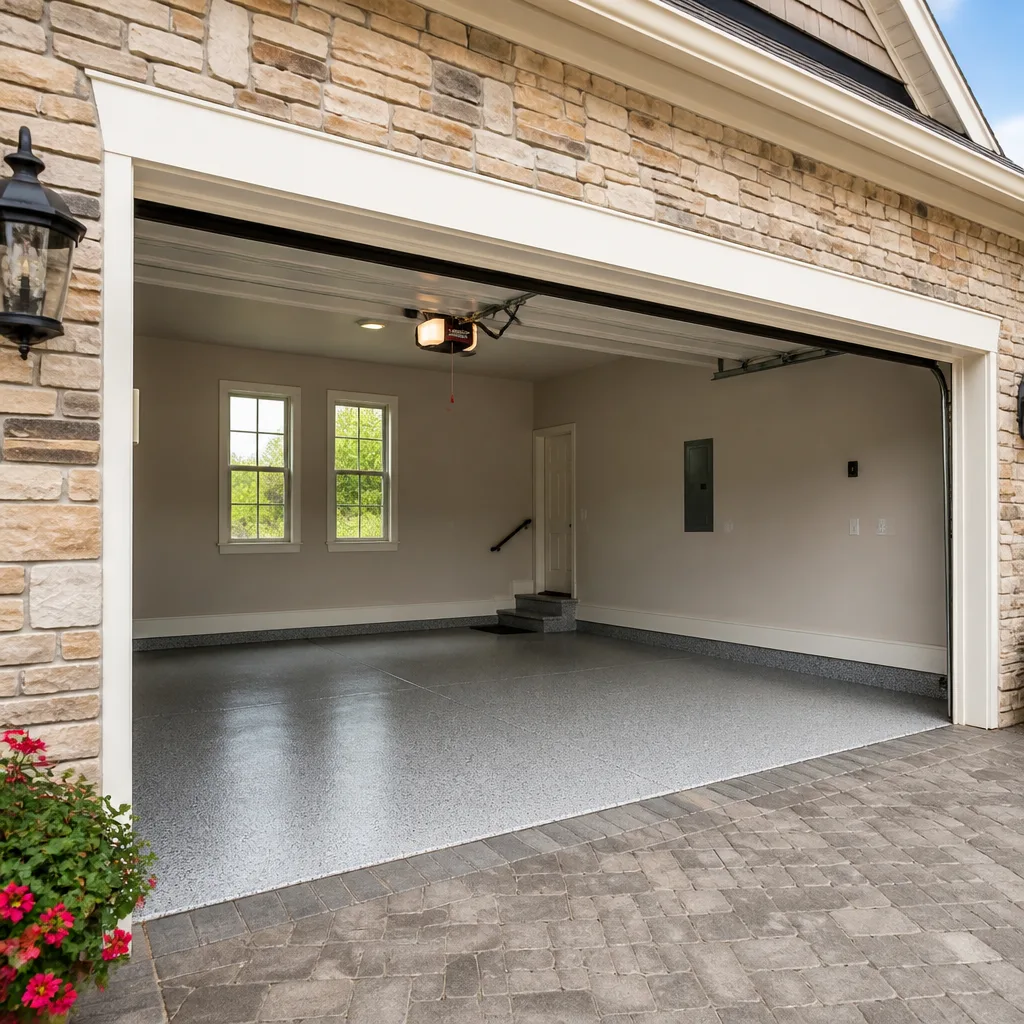 LiftMaster openers
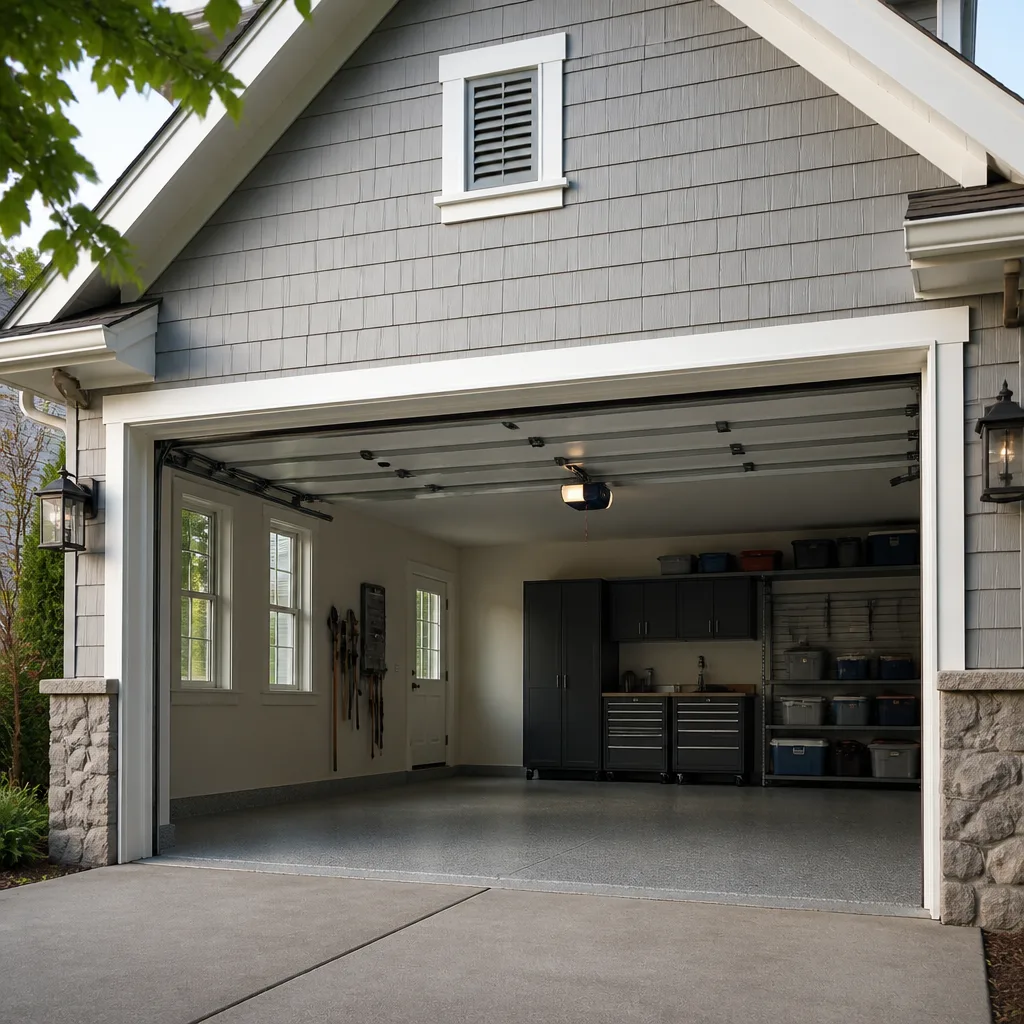 Chamberlain openers
Full 25-point door and opener safety check with every visit - springs, cables, rollers, tracks, and your LiftMaster or Chamberlain opener included
You get a price before we start. It does not change when the pro arrives.
Get your free estimateGarage Door Warning Signs: An Eagan Homeowner’s Reference Guide
Garage doors rarely fail without notice. They grind, pop, hesitate, sag and reverse, and most of the time the warning came weeks before the door finally stopped working. The trouble is that homeowners don’t know which sounds matter and which are just a door being a door. A garage door that hesitates for two seconds before moving is not “just stiff” – that pause is an opener motor fighting mechanical resistance, and left alone it wears the motor down month after month of regular use. This guide is written for Eagan homeowners who want to decode those signals before they turn into a broken door, a stranded car, or a repair bill that could have been a service call.
Quick Answer
The most important garage door warning signs are unusual sounds (grinding, popping, scraping, rattling), a door that hesitates or reverses before closing, sagging or uneven panels, and rust or wear on springs and hinges. If you hear a loud bang from the springs, see a gap between the door and the frame, or the door reverses on its own, stop using it and call a professional. Most other warning signs mean schedule service soon rather than today.
Styles & brands we work with
- Raised-panel steel
- Carriage house
- Modern flush
- Full-view glass
- LiftMaster openers
- Chamberlain openers
Table of Contents
- How to Diagnose Garage Door Sounds
- Visual Signs Homeowners Miss
- Behavioral Warning Signs: Timing, Travel and Reversing
- Urgency Triage: Use With Caution, Schedule Soon, or Stop Using Immediately
- Eagan Climate Warnings vs. Mechanical Wear
- Which Subsystem Is Failing?
- Common Mistakes to Avoid
- Frequently Asked Questions
How to Diagnose Garage Door Sounds
Sound is the most reliable early-warning system a garage door gives you. Each component produces a distinct noise, and matching the sound to the part takes most of the guesswork out of whether you’re looking at a minor adjustment or a system about to fail. Here’s how different sounds map to different parts of the door and opener assembly.
Grinding
A grinding noise usually points to the opener’s gears, the chain or belt drive, or a roller that has seized inside the track. If the grinding happens as the door begins to move, the opener motor is likely hunting for a gear that’s stripped. If it happens throughout travel, a roller bearing or the torsion tube is the more likely source. Grinding is a “schedule service” sound in most cases – it rarely means the door is about to fall, but it does mean a part is being damaged every time you open the door.
Popping or Snapping
A single loud pop at the start or end of travel is often a torsion spring slipping on its shaft, or a hinge plate shifting. Popping that repeats can also come from a loose panel bolt. The one pop that concerns us most is the bang that comes from a spring snapping – a single dramatic bang followed by the door becoming unusually heavy or refusing to lift. That’s a stop-using-it-immediately situation.
Scraping
Scraping sounds like metal on metal, and it usually means a roller has left its track, a panel is bowed against the frame, or a section of the door is scraping the header as it passes. Scraping is a “schedule soon” signal if the door still operates normally, and a “stop using” signal if the door is visibly off-track.
Rattling
Rattling is the gentlest of the warning sounds, and it’s usually loose hardware – hinge bolts, roller stems, or the opener’s rail mounts. It’s often a maintenance issue rather than a repair, but persistent rattling that gets louder over time can indicate a panel fastener backing out. Our technicians have up to 12 years of experience and can usually identify the source of a rattle on a first visit.
Visual Signs Homeowners Miss
Visual inspection catches problems that a door is too quiet to announce. Most homeowners look at the door only when they drive up to it, which means the low-light angles and mid-travel positions that reveal the most are usually missed. Here are the signs worth checking monthly.
Signs That Are Obvious
- Bent or dented panels
- Visibly off-track rollers or a door that has left its guides
- Broken glass or cracked window panes on the door
- A door that’s leaning clearly to one side
Signs Homeowners Consistently Miss
- Uneven reveal gaps. Stand inside the garage with the door closed and look at the gap between the door edge and the frame. The gap should be even on both sides. A narrowing gap on one side means the door or the track has shifted.
- Sagging asymmetry. Open the door halfway and step back. If one side of the door sits lower than the other, the torsion springs aren’t carrying equal load.
- Rust patterns on specific hardware. Surface rust across a whole panel is normal seasonal wear in Minnesota. Rust concentrated on the bottom hinges, the bottom bracket, or the torsion tube is not – it usually means those parts are seeing water, condensation, or a load that’s causing the metal to flex.
- Spiraling or stretched springs. A torsion spring that looks stretched out or has gaps between coils is telling you it’s near the end of its service life.
- Loose or missing hinge screws. Walk the hinges with a screwdriver. Backing-out screws mean vibration; missing screws mean a panel is being asked to carry more than it should.
Behavioral Warning Signs: Timing, Travel and Reversing
The way a door moves tells you as much as the sound it makes. Timing, travel and reversing are the three behavioral categories worth watching, and each points to a different subsystem.
Response Timing
If you press the remote or wall button and the opener waits two or three seconds before the door moves, that hesitation is the opener working through resistance. Common causes include a torsion spring that has lost some of its lift capacity, a door that’s binding in one track, or an opener motor that’s getting tired. The hesitation itself isn’t dangerous, but the motor is drawing extra current every cycle, and it will eventually overheat or fail.
Partial Travel
A door that opens or closes partway and then stops usually means the opener’s travel limits are off, or the safety sensors have lost alignment mid-travel. If it stops at the same spot every time, suspect the travel setting; if it stops at random points, look at the sensors or the opener’s control board.
Reversing Unexpectedly
A door that starts closing and reverses before it hits the floor is the most common garage door complaint we hear in Eagan. In most cases it’s a misaligned safety sensor, a dirty sensor lens, or an obstruction in the sensor beam’s path. But reversing can also mean a door that’s binding in its track – the opener feels the resistance and reads it as an obstacle. If the sensors are clean and aligned and the door still reverses, it’s time for a technician to look at the door’s balance.
Urgency Triage: Use With Caution, Schedule Soon, or Stop Using Immediately
One of the things our team runs into every week is a homeowner who wasn’t sure whether a warning sign was an emergency. Most aren’t. Here’s the framework we use to sort a symptom into one of three urgency tiers.
Stop Using the Door Immediately
- A loud bang followed by a door that won’t lift, or drops fast. That’s a broken spring. Do not operate the door – a garage door is the heaviest moving object in a house, and a broken spring means the door and its opener may not be able to hold it.
- The door is visibly off-track. Do not cycle the door – a panel that leaves its track can bend, crack or fall.
- The door is hanging unevenly with a spring noticeably stretched or missing. A door supported by one working spring on a two-spring system is unbalanced and unsafe to operate.
- A cable is loose or has left its drum. Cables are under extreme tension. Do not touch them.
Schedule Service Soon
- Grinding, popping or scraping that happens with every cycle
- A door that closes but reverses on its own
- An opener that hesitates 2+ seconds before moving the door
- Visible gaps or sagging asymmetry (door still operates normally)
- A remote that has lost range or requires repeated presses
Use With Caution
- Rattling that comes and goes
- Doors that squeak more than they used to
- A door that operates fine on warm days and stiff on cold days (normal – but worth checking if it’s getting worse)
For anything in the “stop” tier, call (844) 643-4886. Our team offers emergency service for exactly this situation, because a garage door that won’t close leaves a house open, and a door that’s stuck in the air is a safety issue for everyone in the household.
Eagan Climate Warnings vs. Mechanical Wear
Eagan weather creates a set of warning signs that don’t appear in most garage door warning guides, because most garage door guides are written for climates that don’t do what Minnesota does. Here’s what to watch for as seasonal versus mechanical.
What Seasonal Wear Looks Like
- Stiffness in the first cold snap. Grease thickens in cold weather, and a door that feels sluggish for a few cycles is telling you it’s time for a lubrication service – not that a part is failing.
- Squeaking that appears in late fall and disappears in spring. Squeaks that track the seasons are lubrication and temperature, not damage.
- Sensor condensation on humid mornings. Eagan’s spring and summer fog occasionally drifts through Eagan and condenses on the safety sensor lenses, causing spurious reversing. A wipe with a clean cloth usually restores operation.
- Snow and ice around the bottom weather seal. A door that lifts but drags at the bottom edge in winter may be encountering frozen snow built up against the seal, not a mechanical fault. Clear the snow and cycle the door once before calling.
- Rust on the bottom brackets and bottom hinge. The bottom of the door sees the most moisture, snowmelt and road salt tracked in by vehicles. Concentrated rust at the bottom of the door is normal; rust up the sides or across the torsion hardware is not.
What Mechanical Wear Looks Like
- Noises that happen in every season, warm or cold
- Consistent symptoms, not temperature-dependent ones
- Grinding, popping or scraping tied to a specific point in the door’s travel
- Opener hesitation that doesn’t clear after a few cycles
A quick rule: if the symptom moves with the weather, suspect lubrication and seasonal maintenance. If it’s consistent all year round, suspect a component. That distinction protects Eagan homeowners from paying for a repair when what they need is a service and a tune-up.
Which Subsystem Is Failing?
Not every symptom points to the door. Garage doors have four main subsystems: springs and cables, the door and panels, the track and rollers, and the opener. Matching the warning sign to the subsystem is the fastest way to understand whether you’re looking at a spring repair, an opener repair, or a door adjustment.
Springs and Cables
Symptoms: a loud bang, a door that won’t lift or drops fast, a door that’s suddenly very heavy to lift manually, a stretched or broken spring, a loose or off-drum cable. Springs are the highest-risk component on a garage door – both the torsion spring and the extension spring formats store enormous energy and are under constant tension. If a spring is the suspect, that requires garage door spring repair and the work should be done by a trained technician. Do not try to adjust, unhook, or replace a spring yourself.
The Door and Panels
Symptoms: bent panels, cracked glass, sagging asymmetry, uneven reveal gaps when closed, doors that hang lower on one side. Panel issues are usually straightforward to repair or replace. If you’re running a Clopay, Amarr, Wayne Dalton or Craftsman door, our team works with the exact hardware and panel profiles for your door.
Track and Rollers
Symptoms: scraping, rattling, a door that jumps or lurches as it travels, doors that leave the track entirely. Track damage is often the result of a small impact – a vehicle nudging the track, or a roller that fails and lets the door drift. Roller replacement is quick; track alignment is more involved but doesn’t usually require a new door.
The Opener
Symptoms: remote range loss, hesitant response, partial travel, reversing, or the opener running but the door not moving. If you have a LiftMaster, Chamberlain, Genie or Raynor opener, our technicians are certified to service those systems, which means they arrive familiar with the control board, sensors and limit settings for the exact unit in your garage. That’s where garage door opener repair starts – a technician who knows your brand, not a generalist guessing. When the door’s mechanics are the problem rather than the opener, the diagnosis leads to garage door repair instead.
Common Mistakes to Avoid
We’ve seen the same missteps repeat across Eagan garages, and each one turns a manageable warning sign into a bigger repair. Here’s the short list of what to avoid.
- Ignoring a hesitant opener because it “still works.” The door opening on the second press is not a working door – it’s a motor working harder than it should. Left alone, that strain eventually takes the opener out.
- Spraying WD-40 on the springs. Aerosol sprays leave a sticky residue that attracts grit. Springs should be treated with a proper garage door lubricant, not a general-purpose spray.
- Loosening a spring to “check” it. Torsion and extension springs are under tremendous tension. Even experienced technicians wear safety gear when working near them. This is not a component to inspect by hand.
- Treating a broken spring like a bad week. A door with a broken spring should not be opened manually or by opener. The door may fall, and the opener can’t reliably support the load. Call for spring service before operating the door again.
- Assuming a reversing door is a sensor problem and nothing else. Sensors are the most common cause of reversing, but they’re not the only one. If cleaning and realigning the sensors doesn’t fix it, the door itself may be binding – which needs a technician’s eyes.
- Letting snow and ice pack against the door all winter. Eagan winters put a lot of stress on the bottom seal and the bottom brackets. A few minutes with a shovel is cheaper than a seal replacement.
- Hiring a general handyman for a spring repair. Garage doors are a specialty. A generalist may be able to replace a hinge, but spring replacement is a different category of risk. Stick with a specialist who works on the exact system in your garage.
See the difference
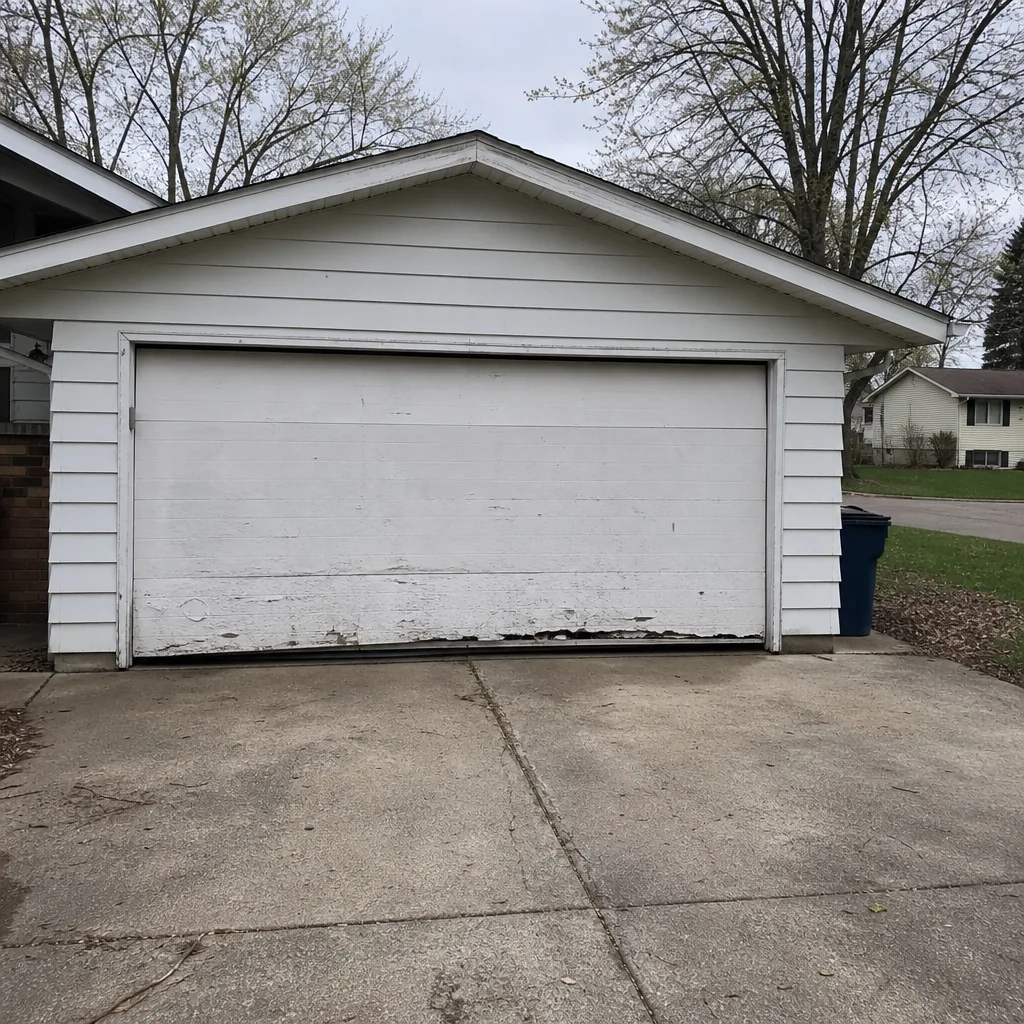 Before
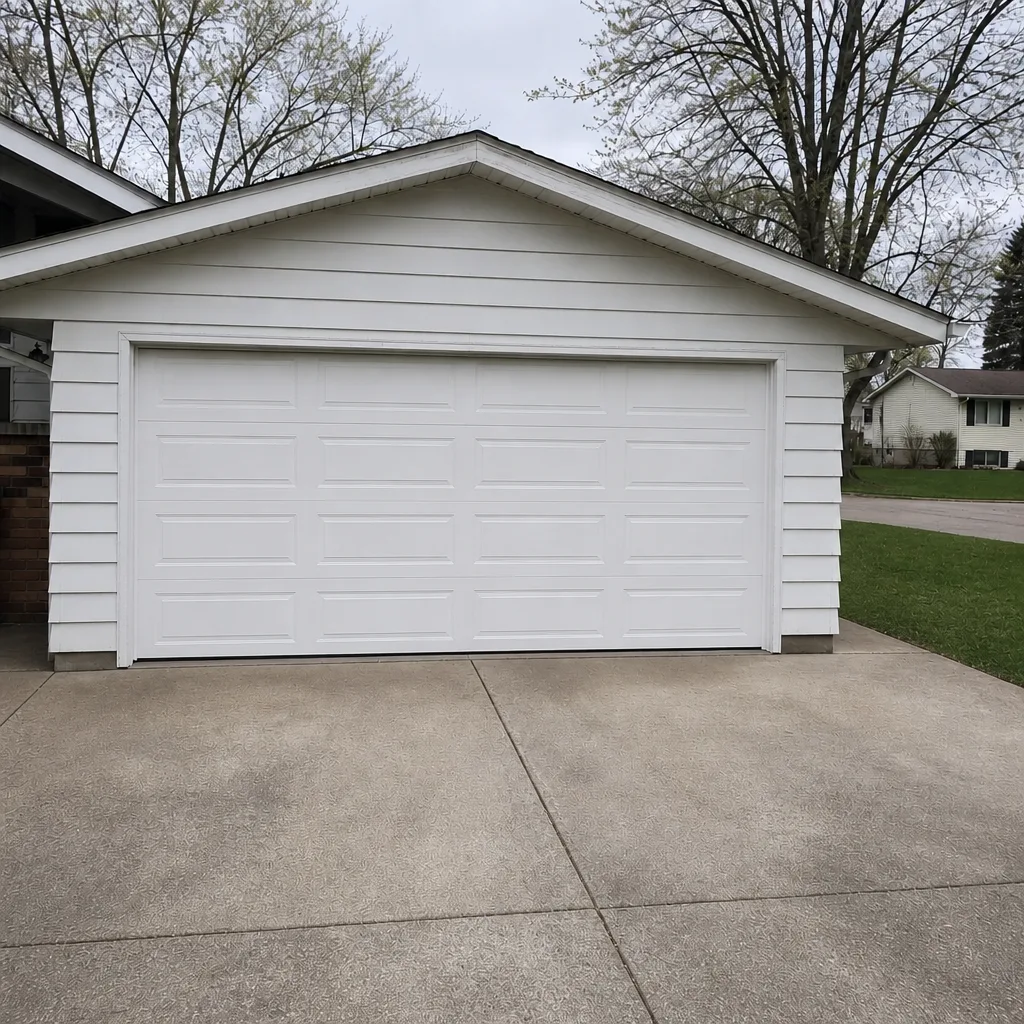 After
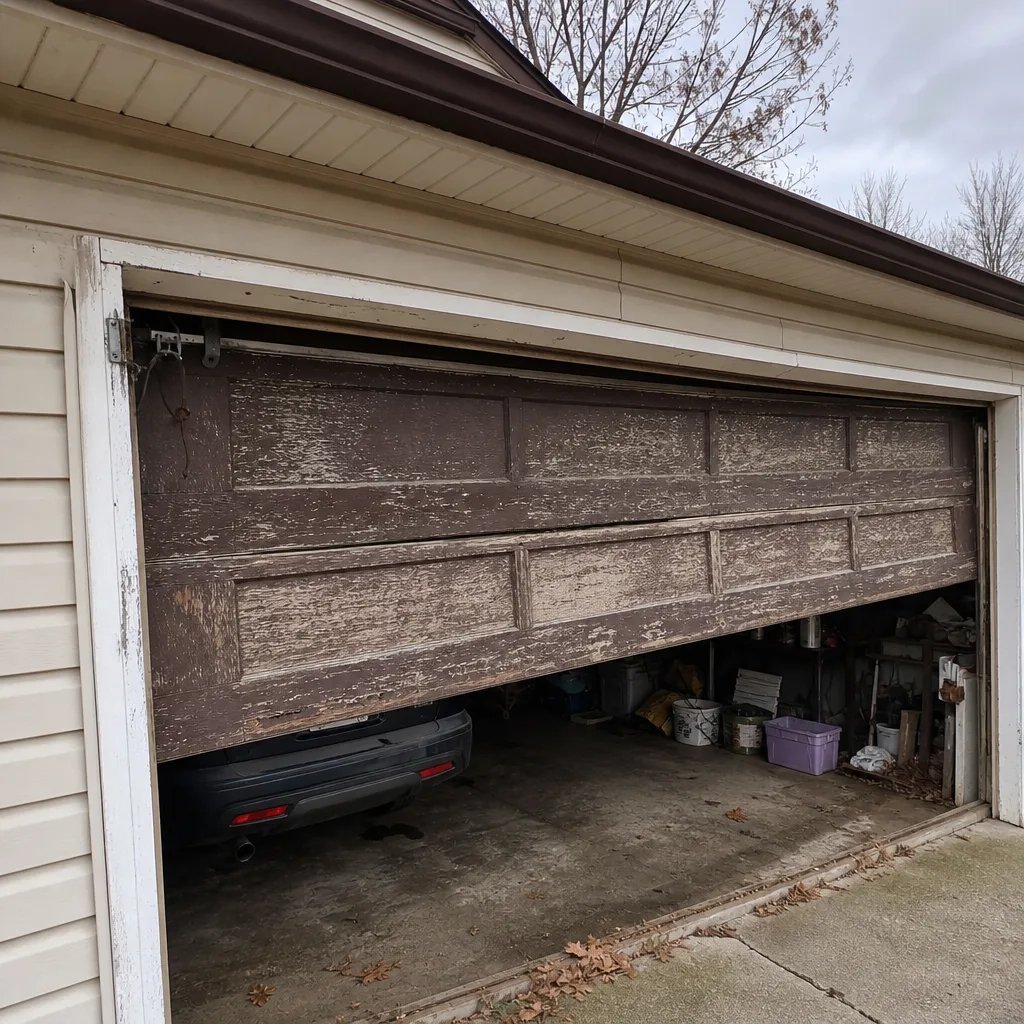 Before
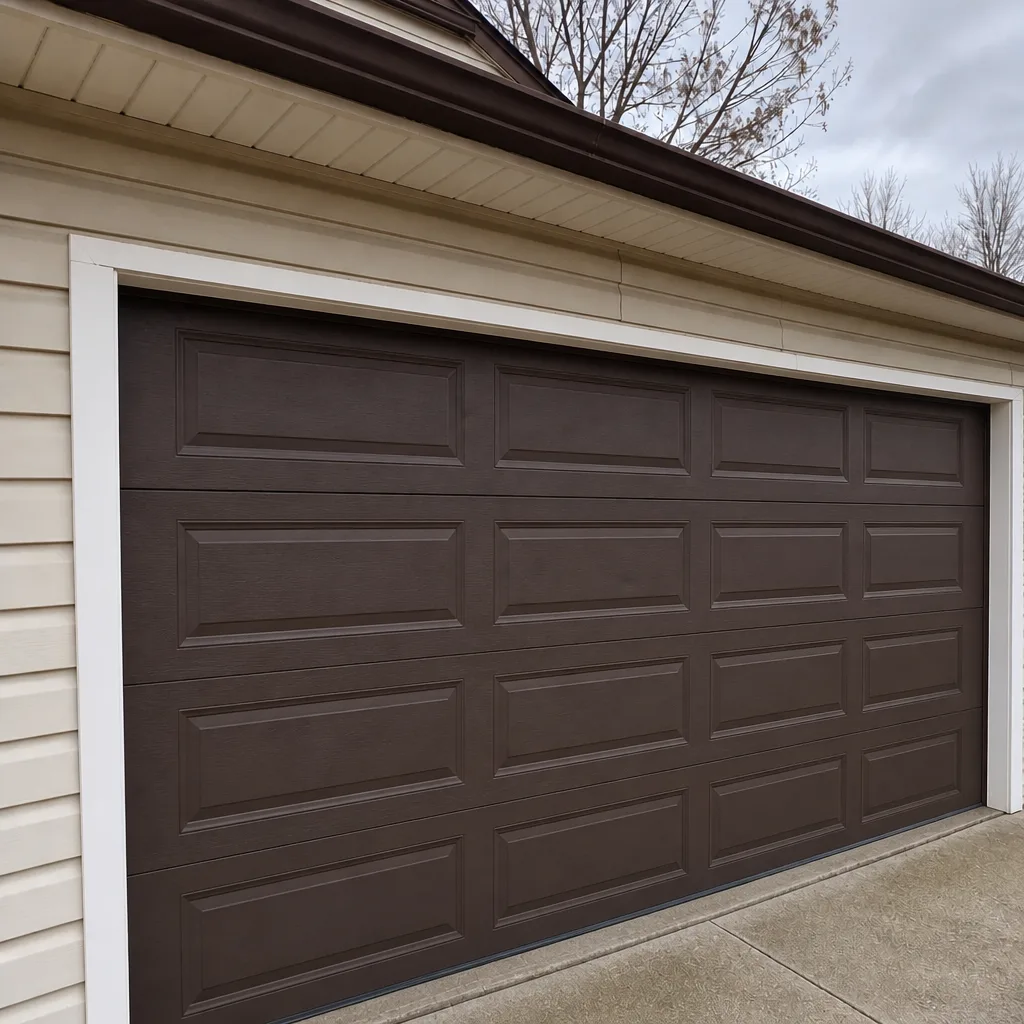 After
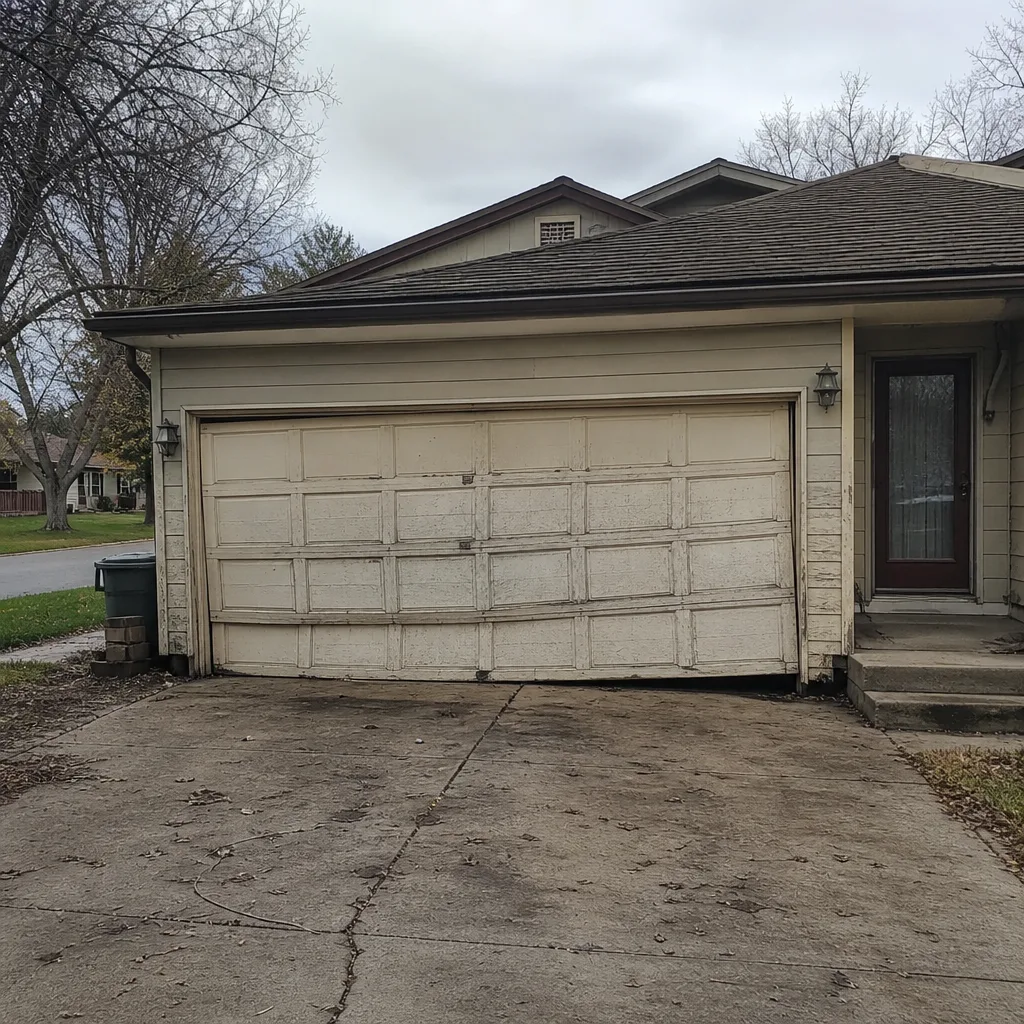 Before
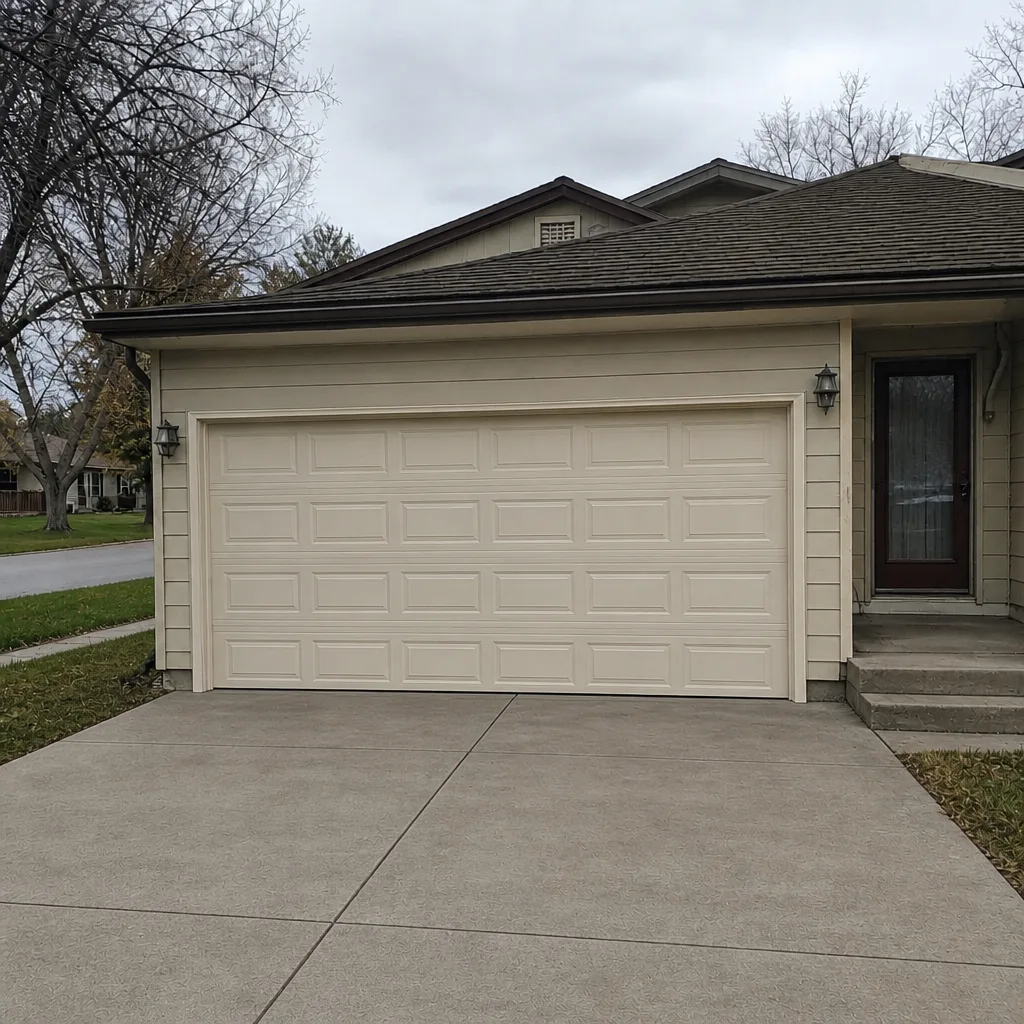 After
When to Call a Professional
Some warning signs are safe to watch. Some aren’t. Call a professional if any of these are true: a spring is broken, the door is off-track, a cable is loose, the door reverses after sensors have been cleaned and aligned, the door hangs unevenly when closed, the opener hesitates or runs without moving the door, or you’ve heard a loud bang from the direction of the garage. If you have any doubt, call – a warning sign that turns out to be nothing is a small service call, and a warning sign that turns out to be a broken spring is worth catching before you operate the door again.
Eagan Garage Door Repair offers free estimates in Eagan – call (844) 643-4886. We service LiftMaster, Chamberlain, Genie, Clopay, Amarr, Wayne Dalton, Craftsman and Raynor equipment, which means the technician who shows up already knows the door and opener in your garage. Same-day service is available for urgent repairs, and every job starts with a written quote that you approve before any work begins.
Frequently Asked Questions
A broken spring sounds like a single loud bang, often described as a gunshot coming from the garage. After the bang, the door is usually very heavy or won’t lift, and you may see the spring hanging or a gap in the coil. Stop using the door and call for service – spring repair is not a DIY job.
No. A door with a broken spring should not be operated, manually or with the opener. The door weighs far more than the opener is designed to lift on its own, and it can drop unexpectedly. Call for spring service before opening it again.
The most common reason is the safety sensors – either the lenses are dirty, they’ve been knocked out of alignment, or something is blocking the beam. Wipe the lenses with a clean cloth and check that the sensor LEDs are lit. If they’re clean and the door still reverses, the door may be binding in its track or the opener’s travel limits need adjustment – that’s when to call a technician.
We recommend an annual tune-up for most Eagan garages, and often twice a year for doors that get heavy daily use – once in spring after the winter freeze-thaw cycle and once in fall before the cold sets in. Lubrication, track inspection and balance testing are the parts that matter most in a climate with this much temperature swing.
Yes, as long as the screech clears within a couple of cycles. Cold thickens lubricant and metal contracts, so a door that’s slightly noisy on the first cold morning is usually fine. If the noise gets progressively louder in cold weather or persists after the door warms up, it’s time for a lubrication service and a hardware check.
The local pros we connect you with are licensed and insured as their state requires. Our technicians have up to 12 years of experience working on residential garage door and opener systems. Call (844) 643-4886 to ask about a specific case or to schedule a free estimate.
Spring replacement typically runs in the $180-$340 range for one spring; a matched pair is usually replaced together and costs about twice that. Opener repairs vary with the component. Call (844) 643-4886 for an exact quote – estimates are free, and the written quote is the price before any work starts.
The Bottom Line
Garage door failures rarely happen without warning. The sound your door makes, the way it moves, the timing of its response and the way it sits in the frame are all diagnostic – they tell you which subsystem is failing and how urgently it needs attention. For Eagan homeowners, the trick is knowing which signs are seasonal and which are mechanical. If you’re unsure, the safest call is to have a technician look at the door. Our team at Eagan Garage Door Repair works on LiftMaster, Chamberlain, Genie, Clopay, Amarr, Wayne Dalton, Craftsman and Raynor equipment, so the diagnosis matches the door in your garage. Call (844) 643-4886 to schedule a free estimate. Same-day and emergency service are available for urgent situations.
Written by the team at Eagan Garage Door Repair.